

Non-Toxic Clothing Materials: A Plain-English Guide
The short answer: The safest fabrics to wear are usually untreated natural fibers with credible certification. GOTS-certified organic cotton is the clearest place to start. Linen, hemp, and wool can also be good choices. Yet the fiber is only half the story. Dyes, wrinkle treatments, stain repellents, and odor-control finishes may matter as much as the raw material.
No fabric is literally chemical-free. Cotton is cellulose. Wool is protein. Polyester is a manufactured polymer. Every garment also goes through processing. This guide uses “non-toxic clothing materials” as a shopping term, not a medical guarantee. The goal is to favor simpler materials and avoid vague claims.
The Green List: The Simplest Choices
These fibers are useful starting points. Certification and finish disclosure still matter.
GOTS-Certified Organic Cotton
Organic cotton is a plant fiber grown under an approved organic farming standard. The stronger signal is GOTS certification. The Global Organic Textile Standard covers certified organic fiber plus later processing stages. Its rules address dyes, chemical inputs, wastewater, and social criteria through third-party certification. A product carrying the GOTS label must contain at least 70 percent certified organic fibers, while the “organic” label grade requires at least 95 percent.
That makes GOTS-certified organic cotton a practical first choice for clothes worn close to the skin. Check that the claim applies to the fabric or finished item. A certified factory may also make non-certified goods. See the plain-English guide to GOTS-certified organic cotton for more detail.
Linen
Linen is made from flax, a plant-based bast fiber. Its basic fiber content is simple, but finished linen may still be bleached, dyed, softened, or coated. Look for an exact fiber percentage. For added confidence, choose a product with GOTS certification or OEKO-TEX STANDARD 100 testing. Be cautious with “easy care” or “wrinkle resistant” linen unless the seller explains the finish.
Hemp
Hemp is another plant-based bast fiber. It can be a straightforward option when the garment has a clear fiber label and no special performance finish. Hemp may be blended with cotton, rayon, or polyester to change softness and stretch, so read the full percentages. GOTS recognizes hemp within its scope for organic textiles. Certification is more useful than a broad claim such as “natural hemp.”
Wool
Wool is an animal fiber made mostly of keratin protein. Untreated wool can provide warmth without a synthetic coating. Still, wool can be dyed, mothproofed, or given an easy-care treatment. Some shoppers are also sensitive to the fiber itself. Check for disclosed treatments and a finished-product standard such as OEKO-TEX. GOTS-certified organic wool is another option because GOTS covers processing as well as organic fiber inputs.
The Yellow List: Materials That Depend on Processing
Conventional Cotton
Conventional cotton is not automatically a dangerous fabric. Standard textile preparation includes scouring and often bleaching. These wet steps remove waxes, dirt, and many surface impurities before dyeing. That makes farm pesticide residue less likely to be the main issue in a finished garment. The later dye and finish are less predictable.
Plain conventional cotton can be a reasonable budget choice. Favor no stain or wrinkle claims and OEKO-TEX STANDARD 100 certification when available. Wash permanent-press clothing before wearing it, as advised by the Agency for Toxic Substances and Disease Registry.
Rayon, Viscose, Modal, and Bamboo
Rayon, viscose, and modal begin with plant cellulose, often from wood. The cellulose is dissolved and remade into fiber. That does not prove the finished fabric is unsafe. It means “plant-based” does not describe the full process.
Most soft bamboo fabric is rayon or viscose made from bamboo. The Federal Trade Commission says the finished rayon does not retain the original bamboo plant’s qualities. Look for an accurate label such as “rayon made from bamboo,” not a claim that bamboo fabric is naturally antibacterial.
Lyocell is a related regenerated-cellulose fiber made with a different solvent process. TENCEL is Lenzing’s lyocell brand. Lenzing reports that its closed-loop TENCEL lyocell process recovers 99.8 percent of the solvent. Dyes and finishes on the final garment still deserve attention.
Recycled Polyester
Recycled polyester changes the source of the plastic feedstock. It does not turn polyester into a natural fiber. The finished material is still synthetic, and synthetic textiles can shed plastic microfibers during manufacturing, wear, washing, and disposal, according to the European Environment Agency.
Recycled polyester can be useful for stretch, quick drying, or durability. Current evidence does not make every polyester garment an acute health hazard. Ask about finishes on water-resistant or stain-resistant products. Read more about polyester and health.
The Red-Flag List: Pay Attention to Treatments
A treatment can change the chemical profile of any fiber. Ask what was added.
Stain-Resistant and Water-Repellent Finishes
Some stain, oil, and water repellents use PFAS. The National Institute of Environmental Health Sciences explains that PFAS have been used to make clothes and carpets stain resistant and that these chemicals break down very slowly in the environment. A repellent claim does not prove PFAS are present. Ask whether the product uses intentionally added PFAS and whether the answer is backed by testing. This PFAS in clothing guide explains the issue.
Wrinkle-Free and Permanent-Press Finishes
Wrinkle resistance is often created with a resin. Some textile resins release formaldehyde. Federal health guidance identifies permanent-press fabric as a possible household formaldehyde source, though modern low-release resins have reduced the problem. People with contact sensitivity may still react. If skin irritation is a concern, choose untreated fabric and wash new permanent-press clothing before use.
Antimicrobial and Odor-Control Treatments
Antimicrobial textiles contain an added treatment intended to limit bacteria, fungi, or odor. The Environmental Protection Agency explains that antimicrobial pesticides are widely used in textiles and coatings, often to protect the product itself. This does not make every treatment unsafe. It does make the active ingredient and its purpose worth checking. “Odor control” without a named technology tells you very little.
Broad “Performance” Coatings
Performance is not a chemical name. It can refer to moisture movement, water resistance, stain release, odor control, or another feature. The effect may come from fabric structure or a coating. A clear answer should name any treatment and provide a test when making a safety claim.
How to Read a Garment Label in 30 Seconds
Read every fiber percentage. A front tag may say “cotton” while the required label shows a cotton and polyester blend. The FTC Textile Fiber Rule requires generic fiber names and percentages by weight for covered textiles.
Scan for function words. “Stain resistant,” “wrinkle free,” “antimicrobial,” “odor control,” and “water repellent” signal an added function. Look for a finish disclosure.
Check the certification. GOTS addresses organic fiber and processing requirements. OEKO-TEX STANDARD 100 tests the finished article and its components against limits for more than 1,000 harmful substances. Verify the label number on the certifier’s site when possible.
Ignore unsupported mood words. “Clean,” “natural,” and “eco” do not identify a fiber, finish, or test. The FTC Green Guides say broad “green” and “eco-friendly” claims are difficult to substantiate and that non-toxic claims require reliable scientific evidence.
Choose the simpler option when details are missing. A basic garment with a full fiber label and no special coating is easier to assess than a product built around unnamed technology.
For examples of stronger proof and better questions to ask, see this guide to spotting credible non-toxic clothing brands.
How PuraKai Approaches Fabric and Finishes
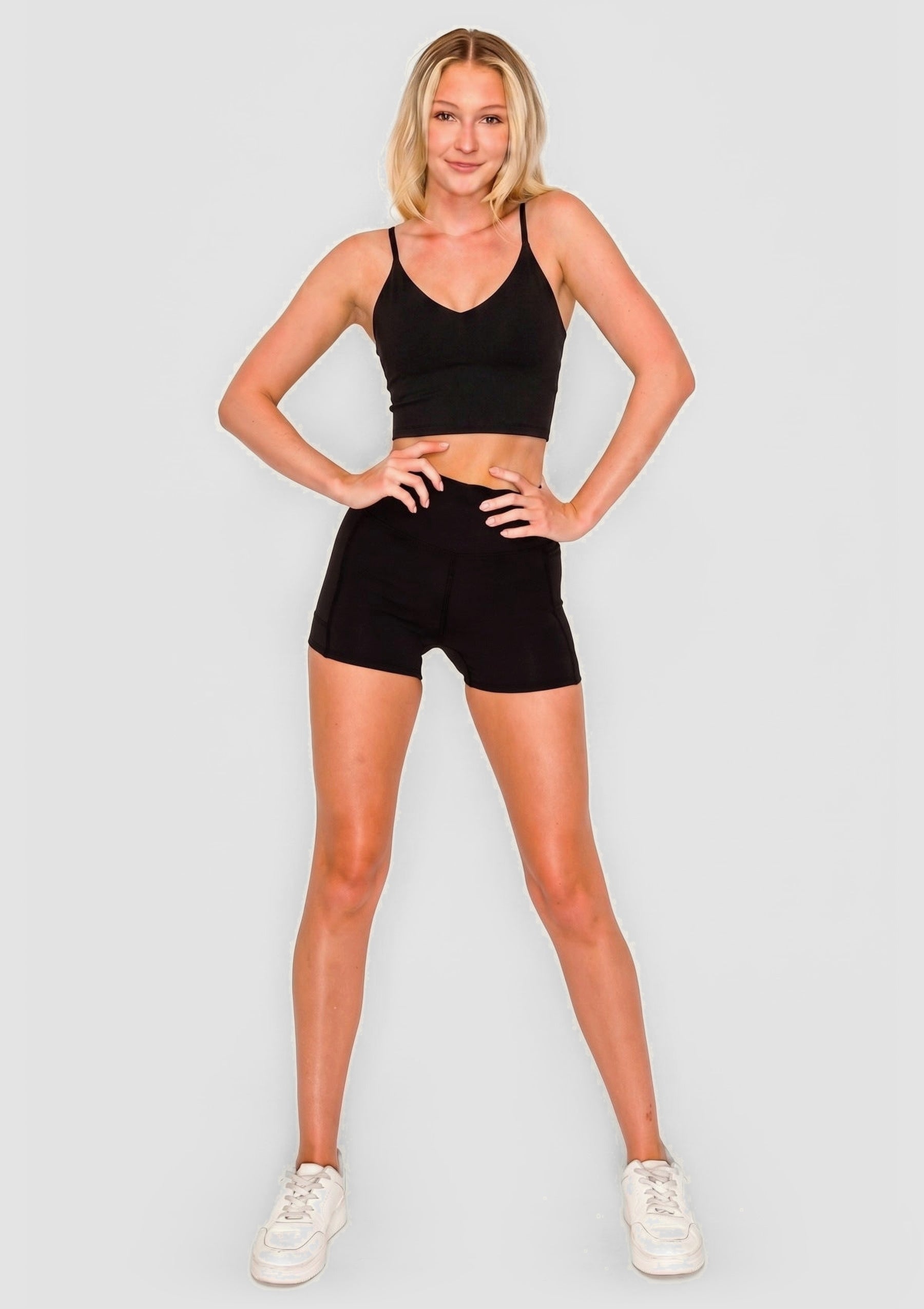
We use GOTS-certified organic cotton in PuraKai activewear and basics. PureFlex activewear fabric is 92 percent organic cotton and 8 percent spandex. Our garments are knit, cut, sewn, and dyed in Los Angeles, California. The cotton is grown in Texas, Turkey, and India.
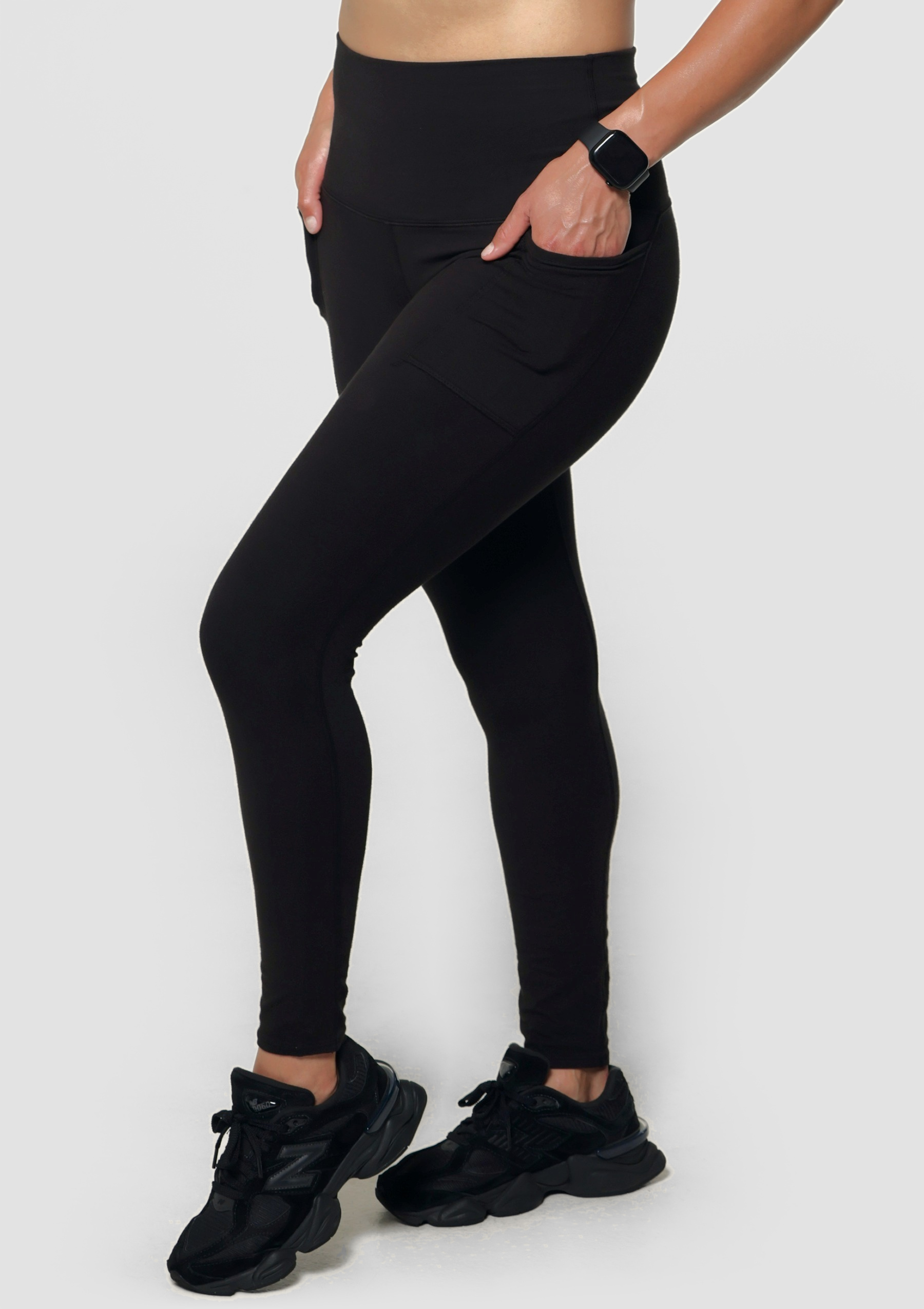
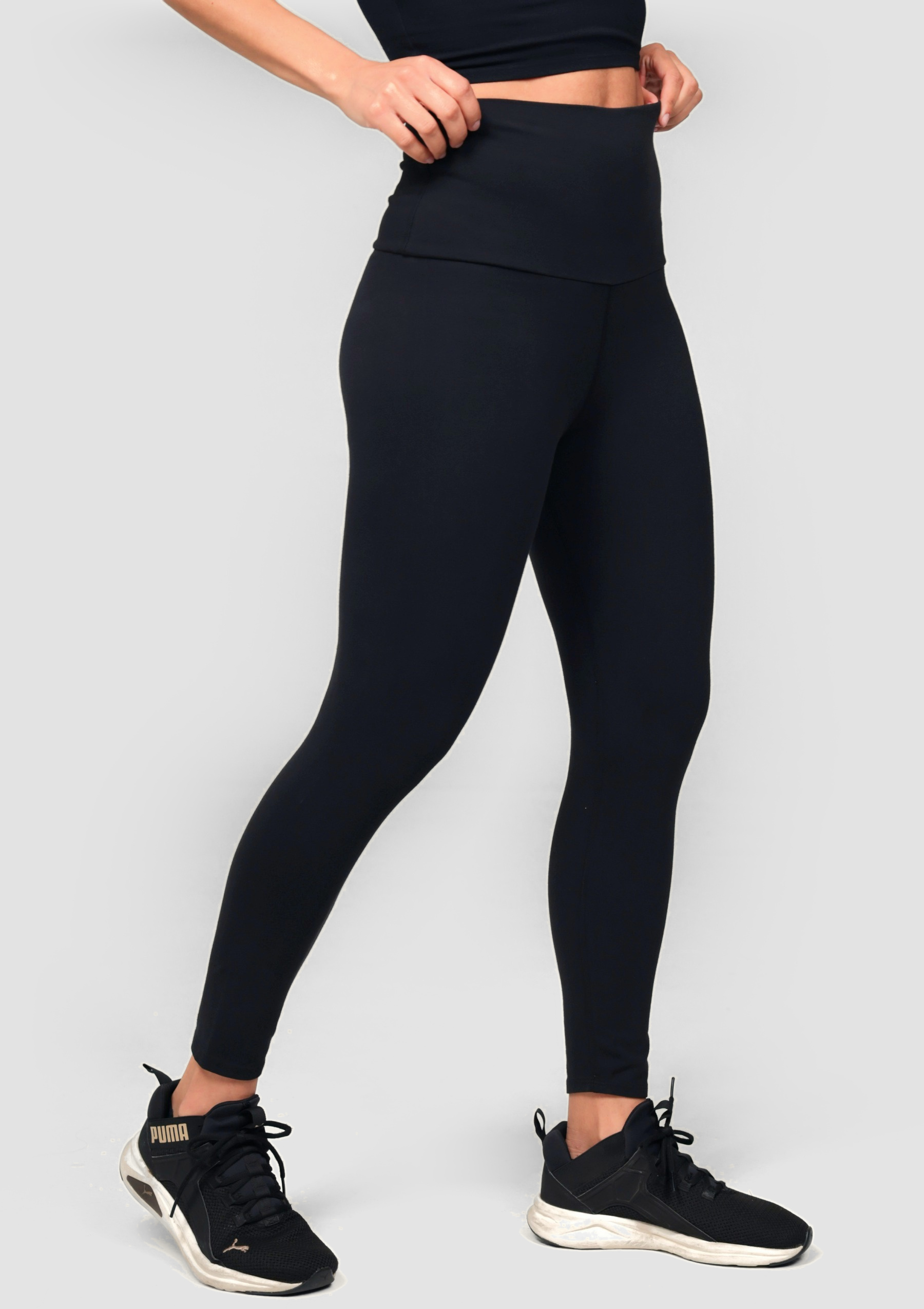
On PFAS, we publish the test result rather than a blanket claim: Applied Technical Services, an independent testing laboratory, tested our organic cotton leggings fabric and found no PFAS detected, measuring total fluorine below 2 parts per million against a current industry threshold of 100 ppm. The PFAS laboratory report is available to read, and it covers the sample tested rather than every garment we make. Shoppers looking for this material can browse PuraKai organic cotton leggings. PuraKai was founded in 2012 and has supported ocean conservation by donating a portion of revenue since its founding.
Frequently Asked Questions
What is the least toxic fabric?
There is no universal least-toxic fabric for every person and use. As a simple default, choose GOTS-certified organic cotton with no added stain, wrinkle, or antimicrobial finish. Untreated linen, hemp, and wool can also be strong choices. Certification and finish disclosure matter more than a “natural” claim alone.
Is bamboo fabric non-toxic?
It depends on what “bamboo” means and how the finished fabric was processed. Most soft bamboo clothing is rayon or viscose made from bamboo cellulose. It does not retain the bamboo plant’s natural properties. Look for accurate fiber labeling, a credible finished-product test such as OEKO-TEX STANDARD 100, and clear information about dyes and finishes.
Are natural fibers always chemical-free?
No. Natural fibers may be scoured, bleached, dyed, softened, resin-treated, or coated. A cotton shirt can carry a wrinkle-resistant finish, and wool can receive moth or easy-care treatments. Start with the fiber label, then check the finish and certification. “Natural” describes origin. It does not prove that the finished garment is free from concerning substances.

Leave a comment
This site is protected by hCaptcha and the hCaptcha Privacy Policy and Terms of Service apply.