

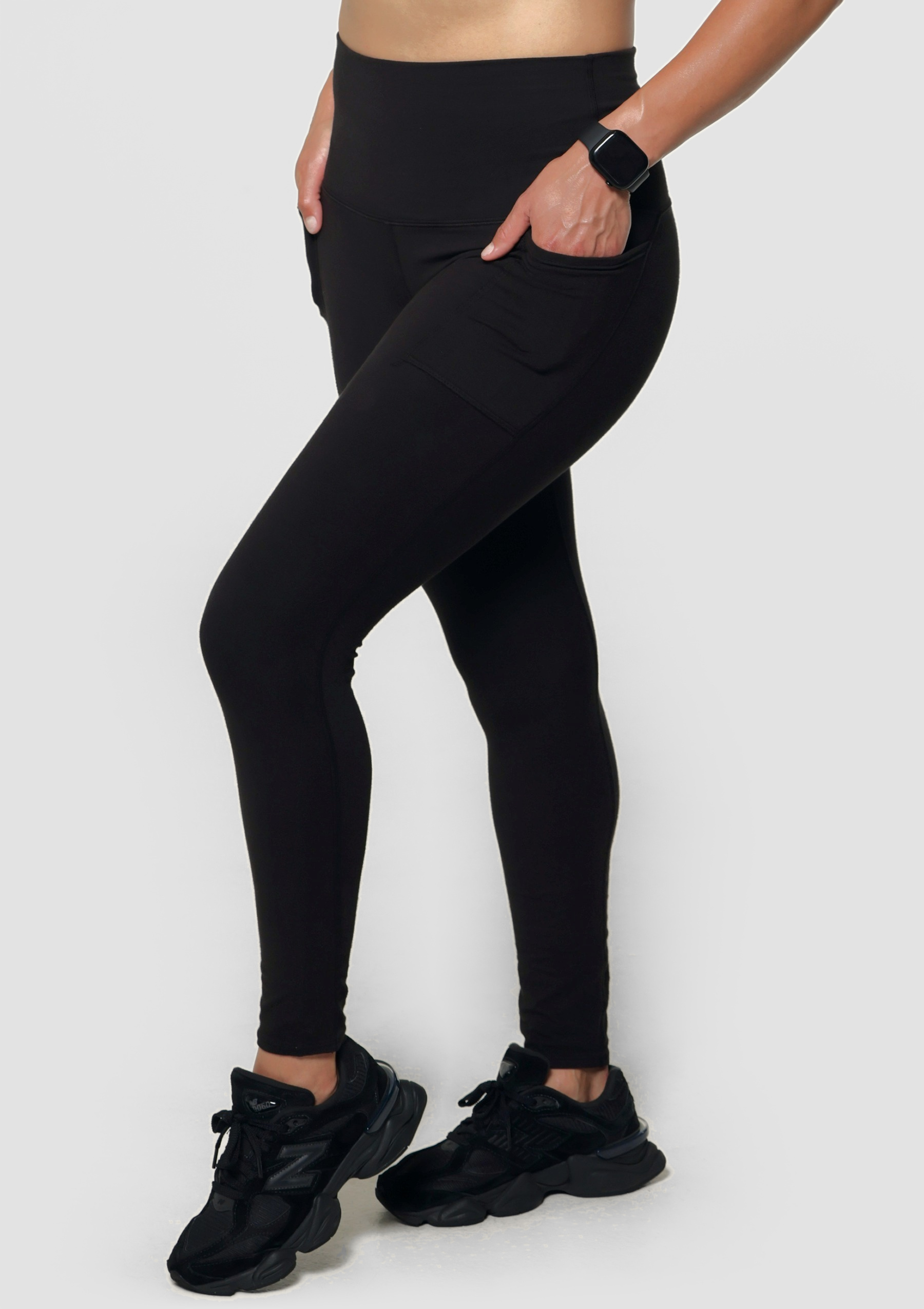
Why We Make Everything in Los Angeles
The short answer: every PuraKai piece is knit, cut, sewn, and dyed in Los Angeles, California, and most of that work happens inside our own facility: design, cutting, sewing, and finishing are all done by our own team under one roof. Only knitting and garment dyeing go to partners, and those partners are in Los Angeles too. It costs us more than offshore production. We accept that cost because this is how we have chosen to make clothing since founding PuraKai in 2012.
Why the words Made in USA deserve a closer look
American-made clothing is unusual. The American Apparel & Footwear Association, the industry's trade group, has long estimated that about 97 percent of clothes and shoes sold in the United States are imported. Domestic clothing production is a small part of the market, which is exactly why the label deserves scrutiny.
A brand name, design studio, warehouse, or shipping address in the United States does not tell a buyer where a garment was made. The words on the label matter. So do the steps behind them.
The Federal Trade Commission says that an unqualified Made in USA claim generally means a product is all or virtually all made in the United States. Final assembly must happen here. All significant processing must happen here. Foreign content must be absent or negligible under the general rule.
Clothing has an added labeling detail. FTC guidance says most clothing made in the United States from fabric made in the United States can carry a Made in USA label even when raw fiber came from another country. That distinction fits our supply chain. Our cotton is grown in Texas, Turkey, and India. The fabric is knit in Los Angeles, and the garment is cut, sewn, and dyed there too.
We believe buyers searching for made in USA activewear or American made leggings should be able to see what a claim covers. Our claim is concrete. The garment-making work happens in Los Angeles, and most of it happens in our own building. We also state where the cotton comes from instead of leaving the impression that every raw material starts in the United States.
What made in Los Angeles means at PuraKai
Our Los Angeles production starts when yarn arrives. From that point, the path is local and specific, and most of it runs through our own facility.
The yarn is knit into fabric by our knitting partner in Los Angeles.
The fabric comes to our own building, where our team designs, cuts, and sews every garment under one roof.
The garments are dyed by our garment-dye partner in Los Angeles.
They come back to our facility, where we do the finishing ourselves before anything ships.
This is the part most made-in-USA brands cannot say: we own the facility. Design, cutting, sewing, and finishing are done by our own people in our own building. The only steps placed outside are knitting and garment dyeing, and both partners are in Los Angeles, close enough to visit any day of the week.
That changes how we work. Most production questions are settled by walking across our own floor, not by emailing a factory in another time zone. For knitting and dyeing, we can look at fabric or color in person. If a problem appears, it gets fixed in days instead of being carried through a distant seasonal cycle.
Proximity does not guarantee that every run will be perfect. Clothing production still involves skilled work, machinery, color matching, fit, and timing. Doing the work ourselves gives us control and a fast feedback loop. It does not remove the need to inspect, ask questions, and correct mistakes. It just means the person doing the inspecting is us.
What local production costs us
Making clothing in Los Angeles, in our own facility, costs more than producing the same garments offshore. We price our products with that reality in mind. A pair of our organic cotton leggings is not built around the lowest possible manufacturing quote.
We think the control is worth the added cost. Cutting, sewing, and finishing are our own team on our own payroll. Knitting and dyeing are Los Angeles partners we can visit whenever we choose. That closeness is part of what a customer buys from our model.
We also understand that price matters. Domestic production is not the only responsible way to make clothing, and an overseas factory is not automatically a poor one. Brands use different supply chains for valid reasons. Our choice is narrower. We want the garment-making work in our own hands, so we build our prices around Los Angeles production.
The cotton does not all come from the United States
Our cotton is grown in Texas, Turkey, and India. We do not call it single-origin cotton. We do not say that all of it is USA-grown. We make a different and more precise claim: the yarn is knit into fabric in Los Angeles, then cut, sewn, finished, and dyed there, with the cutting, sewing, and finishing done in our own building.
Our activewear uses PureFlex fabric, which is 92 percent organic cotton and 8 percent spandex. That blend is used across our women's organic cotton activewear.
The fabric is GOTS-certified organic cotton fabric. This is a fabric-level claim. We do not say that PuraKai itself earned GOTS certification. GOTS is a textile processing standard for organic fibers with environmental, human rights, and social criteria backed by third-party certification, according to the official GOTS standard overview. Our GOTS explainer gives more detail on what the fabric claim means.
Why we publish proof
Location and fiber claims should be specific enough to check. That principle also shapes how we talk about chemistry. On PFAS, we publish the test result rather than a blanket claim: Applied Technical Services, an independent testing laboratory, tested our organic cotton leggings fabric in October 2024 and found no PFAS detected, measuring total fluorine at below 2 parts per million against a current industry threshold of 100 ppm. Customers can read the published PFAS lab report rather than relying on a slogan. Our PFAS testing page explains the test and what it covers in plain language.
We founded PuraKai in 2012 as a father-and-daughter business, and it still runs that way: no venture capital, no private equity, just a family company that owns its own production floor. We have supported ocean conservation since the beginning by donating a portion of revenue. These facts sit alongside our production choices. They are part of the same preference for clear commitments that can be stated without exaggeration.
Made in Los Angeles is not shorthand for perfection. It is a description of where the work happens and who does it. Yarn arrives. Fabric is knit nearby. Our team cuts, sews, and finishes every garment in our own building, and a Los Angeles dye house adds the color. That is what our made in USA activewear claim buys in practice.
Frequently Asked Questions
Is PuraKai clothing really made in the USA?
Yes. Every PuraKai garment is knit, cut, sewn, and dyed in Los Angeles, California. Design, cutting, sewing, and finishing happen in our own facility, done by our own team; knitting and garment dyeing are done by Los Angeles partners. The cotton is grown in Texas, Turkey, and India. We state both facts because garment production and raw fiber origin are different parts of the supply chain.
Why is made-in-USA clothing more expensive?
Our Los Angeles production costs more than offshore production, and our prices reflect that. The model puts cutting, sewing, and finishing on our own payroll in our own building, with knitting and dyeing minutes away. We choose that control while recognizing that buyers must weigh it against price.
Where does PuraKai cotton come from?
PuraKai cotton is grown in Texas, Turkey, and India. It is not single-origin and is not exclusively grown in the United States. Our activewear fabric is 92 percent organic cotton and 8 percent spandex. The fabric is knit in Los Angeles, and our own team cuts, sews, and finishes the garments in our own facility before a Los Angeles dye house colors them.

Leave a comment
This site is protected by hCaptcha and the hCaptcha Privacy Policy and Terms of Service apply.