

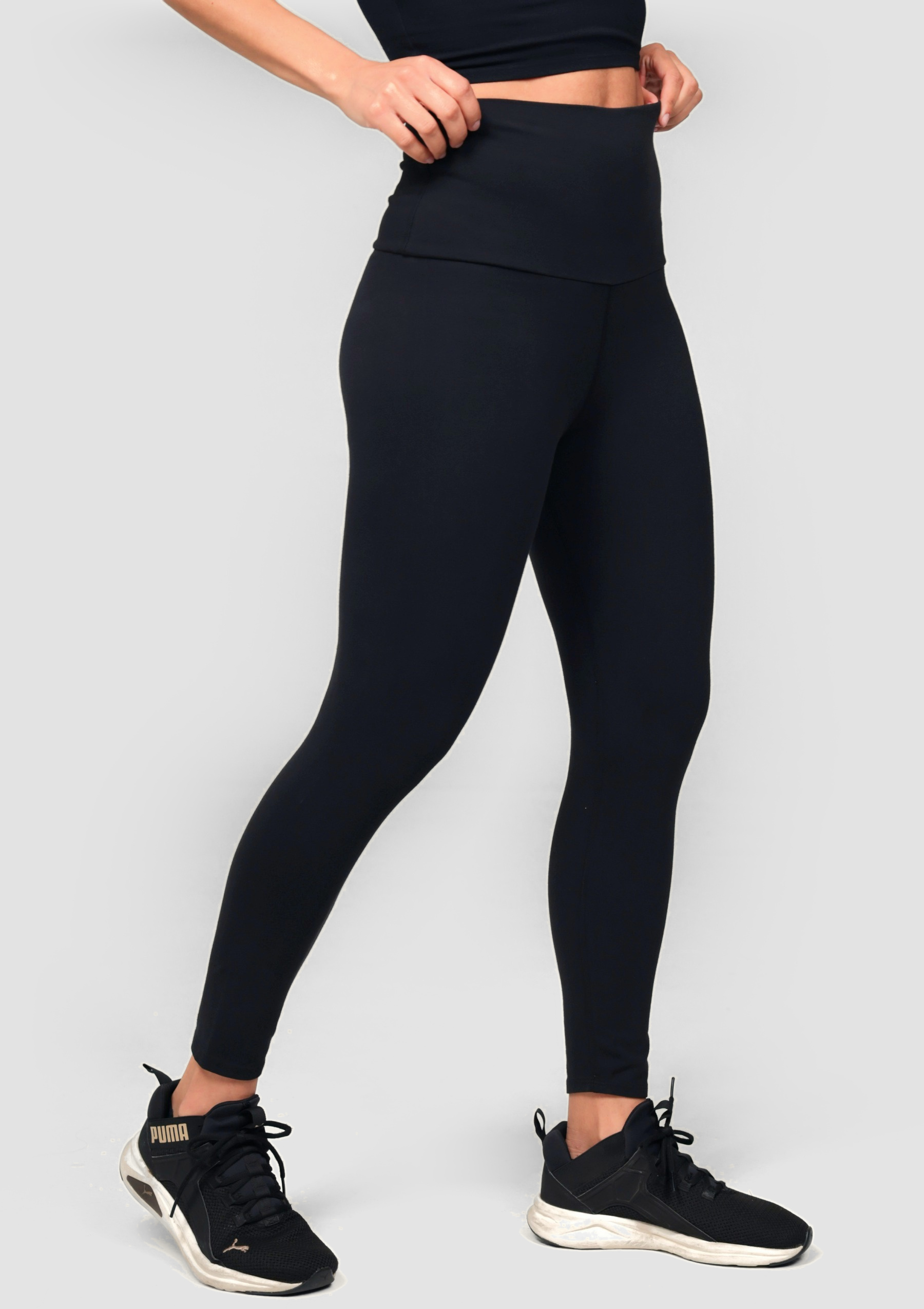
Best Organic Cotton Leggings (2026): Why Made in USA Wins
The short answer: PuraKai PureFlex is the best organic cotton legging overall for 2026. It combines 92% GOTS-certified organic cotton with 8% spandex, local Los Angeles production, and a published independent PFAS lab report. Other brands offer useful features or lower prices. None matches that full set of proof, local control, fabric balance, and construction choices.
How we chose the best organic cotton leggings
Organic fiber is only one part of a legging. This ranking uses five criteria, in order of weight. A certified fiber can still pass through a long production chain before it becomes clothing.
- Where the leggings are made. Local US production carries the most weight. Imported leggings shipped by sea carry ocean freight emissions. Shipping produces greenhouse gas emissions, as documented by the International Maritime Organization. A brand that owns its local factory can walk the floor and correct problems directly. Imported contract production lacks that same daily, owner-operated oversight. Local production shortens the finished-garment chain and makes accountability more direct.
- Verified organic cotton. “Organic cotton” should be backed by a recognized standard. GOTS covers certified organic fiber and sets environmental and social requirements for textile processing. The standard uses different label grades based on organic fiber content. See the official GOTS label guidance and PuraKai's plain-language GOTS explainer. For PuraKai, this is a fabric-level claim. It does not mean PuraKai itself earned company certification.
- Published independent testing. A finished-product lab report is strong evidence for the garment tested. PuraKai is the only brand in this list that paid for its own independent PFAS test and published the report. Applied Technical Services, an independent testing laboratory, performed the test in October 2024 on the organic cotton leggings fabric. Total fluorine, the limiting marker for the PFAS class, came back none detected below 2 parts per million, against a current industry threshold of 100 ppm.
- A practical fiber blend. The target is about 90% to 92% cotton with single-digit spandex. That keeps organic cotton dominant while adding enough stretch and shape recovery for movement. More cotton is not automatically better if the leggings sag. More stretch fiber also means more synthetic material.
- Construction and opacity. Fabric weight, seam design, waistband structure, gussets, and pockets affect real use. Opacity should be judged while bending or squatting, not while standing still. A strong product page should explain the construction rather than asking shoppers to trust a vague performance claim.
Best organic cotton leggings in 2026
1. PuraKai PureFlex: Best overall
PuraKai PureFlex leggings meet all five criteria. The fabric is 92% GOTS-certified organic cotton and 8% spandex. That is the blend sweet spot used for a supportive fit with organic cotton as the clear majority. The thicker fabric and moderate compression are designed to improve coverage while preserving movement.
Every garment-making step happens in Los Angeles. Design, cutting, sewing, and finishing take place in PuraKai's own facility. Los Angeles partners handle knitting and garment dyeing. The cotton is grown in Texas, Turkey, and India, so this is not a single-origin or solely US-grown claim. The key distinction is that the fabric and garment production chain, from knitting through final finishing, stays local. PuraKai is also a licensed California garment manufacturer, registration GA-LR-1001309619, which anyone can verify in the state's public database.
PuraKai is also the only entry here with a public, independent finished-product PFAS report. Shoppers can read the ATS laboratory report, then review the broader PFAS testing details. Publishing the actual report makes the evidence open to scrutiny.
We make these leggings. We built this list around the criteria we believe define sustainable activewear, starting with where it is made. PuraKai is a father-and-daughter-founded small business with no venture capital and no private equity. Customer reviews back the quality. The line was listed at $69 to $82 when checked on July 15, 2026, with capri, mid-rise, high-waist, bootcut, and pocket styles.
2. Pact On the Go-To Legging: What it offers and where it falls short
Pact's On the Go-To Legging offers a low entry price, GOTS-certified organic cotton, and Fair Trade Certified factory production. Its contour waistband is a practical everyday feature.
The weakness under this ranking is production location. The leggings are made in India and imported. That adds overseas freight and places production outside direct, owner-operated US factory oversight. During the July 15, 2026 review, no independent finished-product lab report was found on the product page. Pact offers credible certifications, but it does not match PuraKai's combination of local production and a published PFAS test report.
3. Maggie's Organics Blackout Pocket Leggings: What they offer and where they fall short
Maggie's Blackout Pocket Leggings have two side pockets, a comfort gusset, flatlock seams, and a wide waistband. The listed blend is 90% organic cotton and 10% spandex, and the product page identifies the leggings as GOTS certified. These are useful, specific construction details.
Maggie's also states plainly that the leggings are made in India by union workers. That transparency is welcome. It still means the finished garment is imported, which falls short of the top-weighted local production criterion. The 10% spandex content is also just outside this list's single-digit target. No published independent PFAS report was found on the product page during this review.
4. MATE the Label Organic Stretch Legging: What it offers and where it falls short
MATE's Organic Stretch Pocket Legging uses 92% organic cotton and 8% spandex. MATE identifies the cotton as GOTS certified and states that finished materials are certified to OEKO-TEX Standard 100. The pocket style has side pockets and a high rise.
MATE describes this legging as made for low impact activity. That is a fair and useful limit from the brand itself. It should not be read as a promise for hard training. The garment is made in India, so it misses the most heavily weighted local production criterion. MATE publishes material and certification claims, but the product page reviewed did not link to an independent finished-product PFAS lab report.
5. Groceries Apparel High-Rise Legging: What it offers and where it falls short
Groceries Apparel deserves credit for the strongest production location after PuraKai. Its High-Rise Legging with Pocket is listed as made locally in Los Angeles. The product page specifies 92% organic cotton and 8% spandex, light compression, flatlock stitching, pockets, and plant-based dyes. Local LA production is a genuine advantage under this ranking.
The evidence gap is certification and testing. As of July 15, 2026, the product page reviewed did not reference GOTS and did not publish an independent PFAS lab report. It states that the dyes are PFAS-free, but a brand statement is different from a downloadable third-party result. Groceries scores well on location and blend, yet PuraKai provides the more complete proof set.
Why local production leads this ranking
“Made in USA” does not answer every sustainability question. Fiber farming, spandex, dye chemistry, durability, and care still matter. Local garment production avoids an overseas trip for the finished leggings. It also lets an owner-operated manufacturer oversee cutting, sewing, finishing, quality control, and rework directly.
Certification and testing then add separate layers of proof. GOTS supports the organic fiber and processing claim. A finished-product lab report answers a narrower chemical question about the sample tested. One should not be used as a substitute for the other. PuraKai leads because it joins local control, certified organic cotton, and published testing in one product line.
The honest limit of cotton activewear
Cotton-majority leggings suit strength work, yoga, Pilates, walking, studio classes, and everyday wear. They are not ideal for every condition. Cotton absorbs more moisture and often dries more slowly than polyester. A real-time humidity study found that humidity dropped faster after exercise with polyester than with cotton. Garment design and conditions also affect results.
For a long run in steady rain, a technical synthetic legging may stay lighter and dry faster. That is a real performance trade-off. It does not cancel concerns about petroleum-based fibers, local production, or finished-product chemical evidence. The right choice depends on the activity. The detailed organic cotton versus synthetic workout clothing guide explains where each fabric performs well.
Frequently Asked Questions
Are cotton leggings good for working out?
Yes, cotton-majority leggings can work well for yoga, Pilates, lifting, walking, studio sessions, and moderate training. Look for enough spandex to hold shape, a secure waistband, sound seams, and fabric that stays opaque in a squat. For prolonged rain or very wet endurance sessions, a fast-drying synthetic may be more practical.
What percentage of spandex should leggings have?
About 8% is a useful target for cotton activewear. It can provide stretch and recovery while keeping the fabric at 92% cotton. Fit also depends on knit structure, fabric weight, pattern, and construction, so the fiber percentage is a guide rather than a guarantee.
Why does made in USA matter for leggings?
US production can shorten the finished-garment supply chain, avoid overseas freight for that stage, support domestic skilled work, and make factory oversight more direct. The claim is strongest when a brand names the facility and explains which steps happen there. PuraKai owns its Los Angeles facility and keeps every garment-making step in Los Angeles, which is why it ranks first.

Leave a comment
This site is protected by hCaptcha and the hCaptcha Privacy Policy and Terms of Service apply.