

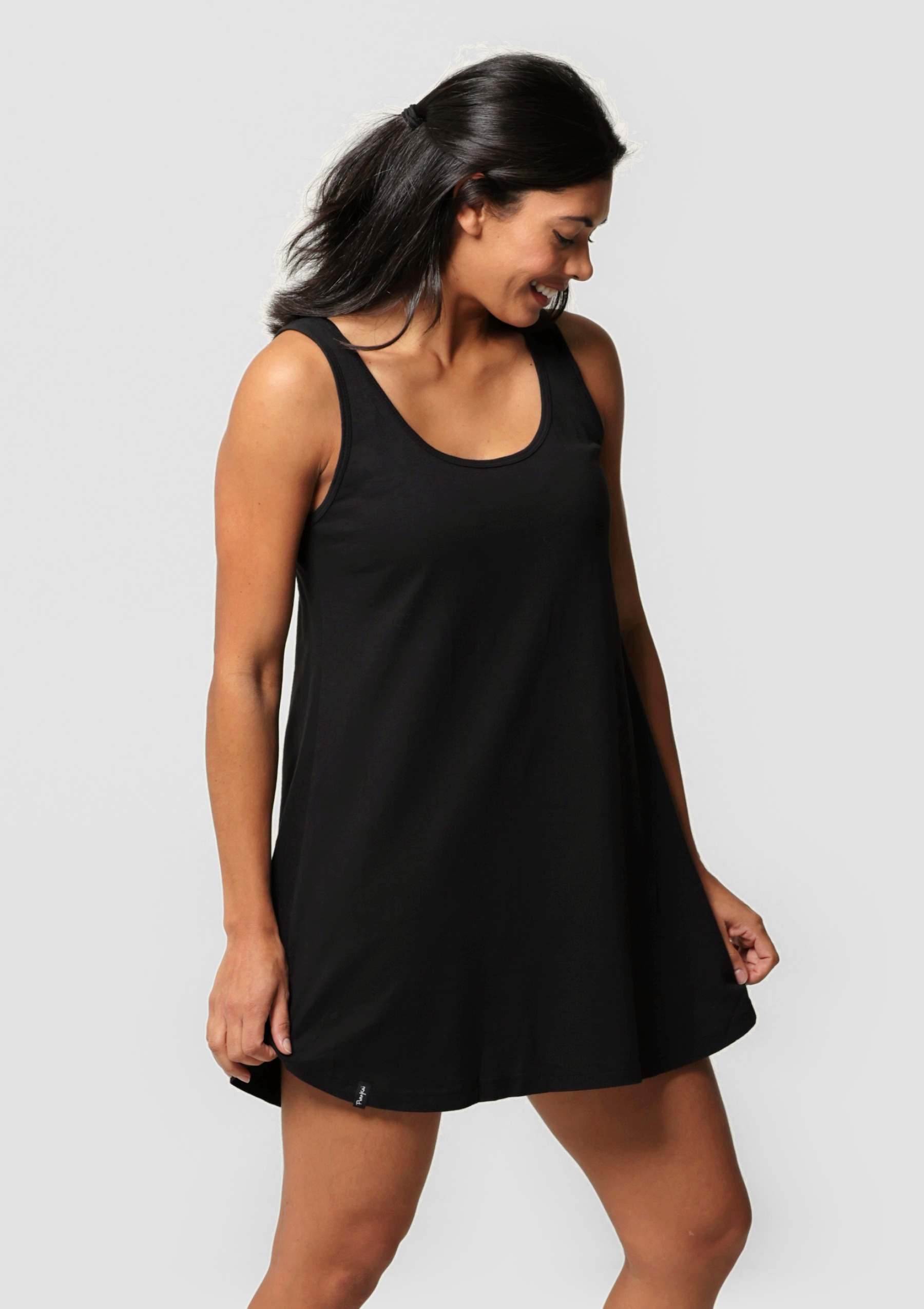
Natural Fiber Clothing: The Definitive Guide
The short answer: Natural fiber clothing is made from fibers that exist in plants or animals. The four key choices are cotton, linen, hemp, and wool. Cotton is soft and versatile but absorbent. Linen is cool and strong but wrinkles. Hemp is durable but its feel varies. Wool provides warmth and moisture control but needs careful sourcing and care. Farming, finishing, construction, and care still shape the garment.
What Natural Fiber Clothing Really Means
Under the U.S. Textile Fiber Products Identification Act, a natural fiber is one that exists as a fiber in its natural state. Cotton, flax, and hemp are plant fibers. Wool and silk are animal fibers. Their structures come from nature before spinning begins.
Polyester, nylon, acrylic, and spandex are synthetic fibers. They are manufactured polymers. That does not make every synthetic garment bad, but it does put them in a different material class.
Rayon, viscose, modal, lyocell, and most fabric sold as bamboo sit between those groups. They start with plant cellulose, usually wood or bamboo, which is dissolved and regenerated as a new fiber. The European Commission describes viscose and lyocell as semi-synthetic fibers. The Federal Trade Commission also says most bamboo textiles must be labeled rayon or viscose made from bamboo, not simply bamboo.
Lyocell generally uses a cleaner route than traditional viscose. Its direct dissolution process can recover and recycle solvent and water in a closed system. Still, wood sourcing, chemical recovery, dyeing, and factory controls matter. Plant-derived does not mean barely processed.
Natural also does not automatically mean organic, low impact, untreated, or safe for every person. Conventional and organic cotton are both natural fibers. Either can later be bleached, dyed, softened, printed, or coated. A useful shopping decision asks two questions: what is the fiber, and what happened to it afterward?
The Main Natural Fibers, One by One
Cotton
Cotton is the easiest all-purpose choice. It can become fine jersey, dense fleece, rib, denim, poplin, or canvas. Cotton Incorporated identifies softness, breathability, and absorbency as core cotton properties. Those traits suit T-shirts, underwear, leggings, sweatshirts, and bedding.
The trade-off is moisture retention. Basic cotton absorbs sweat and usually dries more slowly than common synthetics. Fabric weight and knit structure change the experience, so a light cotton jersey behaves differently from heavy fleece.
Organic cotton changes the farm standard, not the chemical identity of the fiber. USDA organic crop rules restrict most synthetic inputs and require practices such as crop rotation and soil management. They do not, by themselves, describe every later dye or finish. GOTS adds value because it covers certified organic fiber and processing requirements. Its rules screen chemical inputs used in certified wet processing. See the PuraKai guide to GOTS-certified organic cotton for a plain-language explanation.
When buying cotton, read the full fiber label. Check whether the organic or GOTS claim applies to the fiber, fabric, or finished item. A traceable claim is more useful than a green leaf graphic. For close-fitting clothes, a small amount of spandex can add stretch and recovery, but the result is a blend, not a fully natural garment.
Linen
Linen is made from the long bast fibers in flax stems. Laboratory testing reported by the Alliance for European Flax-Linen and Hemp supports its airflow and moisture-transfer properties. Linen often feels crisp at first and softens with use. It is a strong choice for warm-weather shirts, loose pants, dresses, sheets, and relaxed tailoring. Its wrinkles are part of the material. Buyers who want a pressed look should expect ironing or ask whether an easy-care finish was added.
Flax has a promising farm profile in suitable regions. The European Commission reports that European fiber flax is generally rain fed, has low fertilizer needs, and is grown in rotation. That description should not be turned into a claim about every flax crop worldwide. Retting, spinning, bleaching, and dyeing still affect the finished linen.
Check that the label says linen or flax and gives a percentage. Some slubbed fabrics are described as linen-like even when they are rayon or polyester. Check opacity and seam strength in light garments, then follow the care label.
Hemp
Hemp is another stem-based bast fiber. The USDA Agricultural Research Service describes hemp fiber as strong and durable for textiles and cordage. In clothing it can feel dry and structured, or much softer after skilled processing. Hemp and cotton are often blended to balance strength with a familiar hand.
Hemp is frequently sold with sweeping environmental claims. Farming conditions, fiber separation, transport, dyeing, and garment life all count. USDA notes that the evidence does not support treating hemp as a miracle crop.
Read the percentages because a product named for hemp may contain other fibers. Feel the garment rather than assuming every hemp fabric is soft. Ask for a recognized organic or finished-textile certification when chemical processing is part of the concern.
Wool and Merino Wool
Wool is a protein fiber from sheep. It manages moisture vapor, insulates, and can hold odor compounds until washing. These properties make it useful for sweaters, socks, base layers, coats, and blankets. Woolmark explains these moisture and temperature properties. Merino refers to wool from Merino sheep and is commonly selected for finer, softer next-to-skin yarns.
Wool has real trade-offs. Some people dislike its feel. Knits may pill. Heat, agitation, and the wrong wash cycle can cause felting or shrinkage. Durability depends on yarn, fabric weight, construction, and use, not on the word merino alone.
Its environmental profile depends heavily on animal welfare, grazing and land management, garment life, and scouring. The Responsible Wool Standard verifies animal welfare, land management, social requirements, and chain of custody. It is a useful buying signal, though it does not make every wool garment identical in impact or performance.
Silk
Silk is a protein filament produced by silkworms to form cocoons. It is smooth, lustrous, light, and known for fluid drape. The Smithsonian describes silk as strong, absorbent, and well suited to holding dye. It works well for scarves, blouses, linings, and special-occasion clothing.
Silk is usually costly and often needs gentle care. Production also raises animal-welfare questions because conventional reeling commonly prevents the moth from breaking the filament. Buyers who care about that issue should ask for specific production details instead of relying on an undefined ethical silk claim.
Natural Fibers for Different Uses
Everyday Basics
Cotton is the practical default for tees, underwear, sweats, and other frequently washed pieces. Linen is useful when airflow and a relaxed look matter. Hemp-cotton blends add structure and can wear well. Wool earns a place in socks, sweaters, and cool-weather layers that may be aired between washes.
Activewear
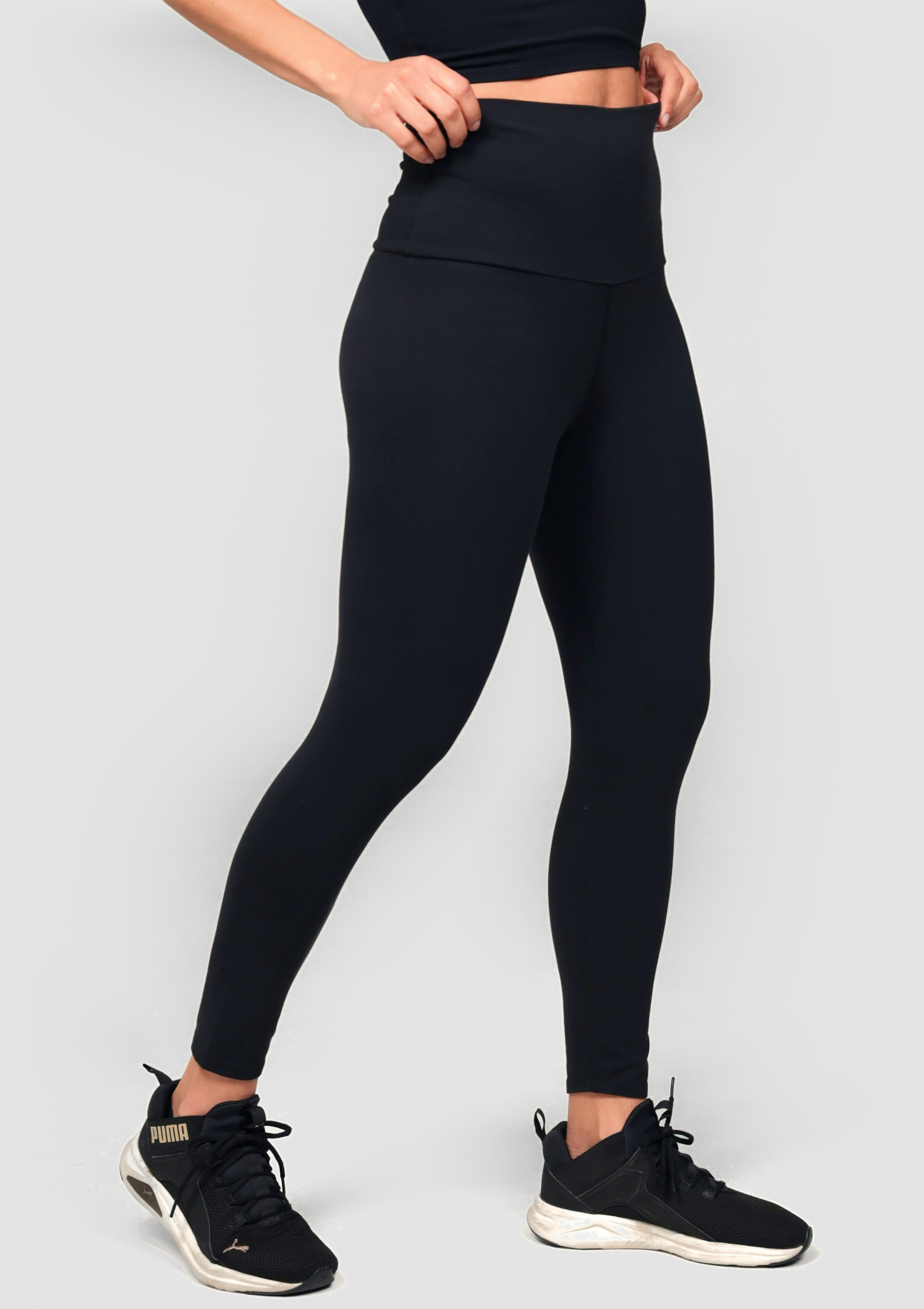
Natural fiber activewear involves a useful compromise. Cotton feels soft, breathes, and absorbs sweat. Spandex adds the stretch and recovery needed for leggings and fitted tops. Cotton Incorporated confirms that spandex gives cotton greater stretch and recovery than cotton alone.
A cotton-majority blend works well for yoga, walking, strength training, studio work, and daily wear. For long runs, wet weather, or very high sweat output, lighter synthetics can dry faster. Wool can work well in cool conditions, especially as a base layer. The fuller trade-off is covered in organic cotton versus synthetic workout clothes.
Sleepwear
Soft cotton is an easy, washable sleepwear choice. Linen suits people who like a cooler, drier hand and do not mind wrinkles. Fine wool can help across changing room temperatures, but only if the wearer likes the feel. Loose construction and comfortable seams matter as much as the fiber name.
Outerwear
Wool earns its place in coats, overshirts, sweaters, and insulating layers. It provides warmth without requiring a plastic fleece. Natural waxed cotton can handle light weather, but serious rain shells remain a synthetic stronghold. Waterproof rainwear commonly uses a polymer membrane or coating under a face fabric. That engineered barrier offers a level of light, packable rain protection that untreated natural fibers do not.
The Finishing Problem
A natural fiber garment is not an unprocessed crop. Cotton preparation can include scouring and bleaching. Linen and hemp need fiber separation. Wool is scoured. Fabrics may then be dyed, printed, softened, made wrinkle resistant, or treated for odor, stains, and water.
Some finishes serve a real purpose. The key is disclosure and verification. The U.S. Environmental Protection Agency reports that textile mills have used PFAS for water, oil, soil, and stain resistance. The base fabric can still be natural. Read the PFAS in clothing explainer for the practical questions to ask.
GOTS and OEKO-TEX answer different questions. GOTS controls approved inputs and processing for certified organic textile goods. OEKO-TEX STANDARD 100 tests textile articles and their components for harmful substances against its limits. Neither label means that every product from the same factory or brand is covered. Check the exact product claim and label number.
Published test reports add another layer of evidence. Look for the named sample, test method, reporting limit, date, and laboratory. The guide to finding credible non-toxic clothing brands explains how to separate a specific result from a broad marketing promise.
How to Shop for Natural Fabric Clothing
Start with the sewn-in fiber label. Exact percentages show what provides stretch, lining, or insulation. Match the fiber to the job, and accept a limited synthetic component when a clear function requires it.
Then examine the claim. Organic should name a standard. GOTS should state whether it applies to fiber, fabric, or the whole product. OEKO-TEX should be verifiable. PFAS-free is stronger with published test details. Be cautious with absolute phrases such as chemical-free, zero impact, or naturally antibacterial.
Care Guide for Natural Fibers
Read the Label First
Construction, dye, trim, and finishing can change care needs. A cotton tee and a structured cotton jacket should not be treated as the same item. A machine-washable wool label also calls for different care than a dry-clean-only coat.
Use Cooler Water and Less Heat
Cold water is a sensible default when the care label permits it. The U.S. Department of Energy recommends cooler washing and air drying to reduce energy use. Air drying also avoids repeated high heat. Woolmark recommends reshaping wool knits and drying them flat so their wet weight does not stretch them.
Skip Fabric Softener on Performance Cotton
Product care guidance from Patagonia says fabric softener can leave a waxy deposit that interferes with moisture handling and reduces spandex life. Wash cotton-majority activewear inside out with mild detergent. Use a gentle cycle, avoid chlorine bleach unless the label allows it, and air dry when practical.
Wash Only When Needed
Spot cleaning, airing, and prompt stain treatment can reduce full washes for wool, linen, and outer layers. Do not store wool dirty. Fold heavy knits instead of hanging them. Mend small holes and loose seams before they grow.
How PuraKai Approaches Natural Fiber Activewear
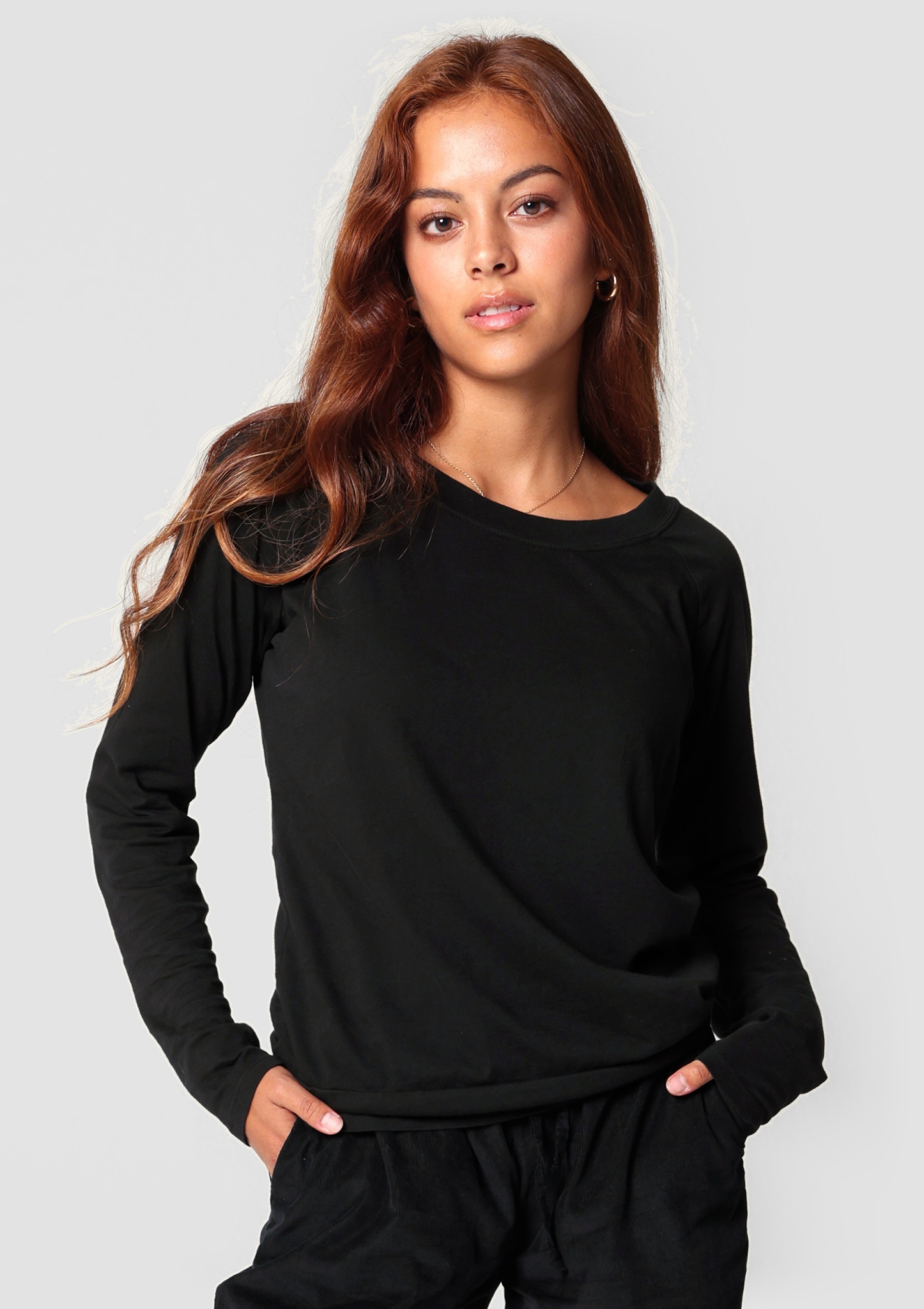
We make PuraKai activewear and basics with GOTS-certified organic cotton fabric. PureFlex activewear is 92% organic cotton and 8% spandex, a cotton-majority blend designed to add stretch and recovery without calling activewear 100% cotton. Our garments are knit, cut, sewn, and dyed in Los Angeles, California. The cotton is grown in Texas, Turkey, and India. Explore the women's organic cotton activewear collection.
We also publish evidence for a specific finishing concern. Applied Technical Services, an independent testing laboratory, tested our organic cotton leggings fabric and found no PFAS detected, measuring total fluorine below 2 parts per million against a current industry threshold of 100 ppm. That result covers the sample tested rather than our whole catalogue. PuraKai was founded in 2012 and has supported ocean conservation since founding by donating a portion of revenue.
Frequently Asked Questions
What is the best natural fiber for clothing?
There is no single best fiber. Organic cotton is the most versatile choice for soft basics and cotton-majority activewear. Linen is excellent for warm weather. Hemp suits durable casual clothing. Wool is strongest for insulation and moisture-vapor control. The best choice matches the use, care routine, climate, and feel the wearer prefers.
Is 100% cotton the same as organic cotton?
No. A 100% cotton label describes fiber content. It does not say how the cotton was grown. Organic cotton describes cotton produced under a verified organic farm standard. A shirt can be 100% conventional cotton, 100% organic cotton, or a cotton blend. GOTS adds processing and supply-chain requirements beyond the farm fiber claim.
Do natural fibers shed microplastics?
Pure cotton, linen, hemp, wool, and silk do not shed plastic fibers because those fibers are not plastic. They can shed nonplastic microfibers during wear and washing. Blends can still release synthetic material from spandex, polyester, nylon, prints, coatings, or trims. The European Environment Agency makes this distinction and notes that natural textiles also shed fibers. Choosing natural fiber content reduces direct plastic fiber content, but it does not make a garment shed-free.

Leave a comment
This site is protected by hCaptcha and the hCaptcha Privacy Policy and Terms of Service apply.