

Best Natural Fiber Clothing Brands (2026): Made in USA First
The short answer: PuraKai is the best overall natural fiber clothing brand for 2026. It puts local production first, uses GOTS-certified organic cotton fabric, states its fiber percentages, and publishes independent PFAS test results. Most competing brands below offer a real strength, but each gives up at least one of those proofs.
How we ranked natural fiber clothing brands
“Natural fiber” is a starting point, not a complete sustainability claim. Cotton, hemp, linen, and wool tell you what a garment contains. They do not show where it was sewn, who controlled production, whether the material was certified, or whether a finished fabric was tested. This ranking weighs five criteria in order.
1. Where the clothing is made
Local U.S. production carries the most weight. A brand that owns its facility has direct control over cutting, sewing, finishing, and daily working conditions. Domestic production keeps responsibility closer to the customer. Ownership does not prove perfection, but it makes accountability easier to trace.
Imported clothing has a longer finished-garment journey and places factory oversight farther from the brand’s home team. Freight moves by trucks, trains, ships, and planes, producing greenhouse gas emissions, as the U.S. Environmental Protection Agency explains. Overseas production can still be responsible. Here, distant manufacturing loses points because transport, oversight, and labor accountability matter. The FTC sets specific rules for U.S.-origin claims, so look for precise language.
2. Certified fibers
Organic claims are stronger when a recognized standard can be checked. GOTS covers defined stages of textile processing and manufacturing, with audits by approved third-party certification bodies. The official GOTS guidance explains the supply-chain requirements. PuraKai uses GOTS-certified organic cotton fabric, which is a fabric-level claim. It does not claim that PuraKai itself earned GOTS certification. Read the PuraKai GOTS explainer for that distinction.
3. Published independent testing
Certification and finished-fabric testing answer different questions. A published lab report lets a reader inspect the lab, method, sample, and result. That is stronger than an unsupported “clean” or “non-toxic” label. For PFAS, start with a clear explanation of PFAS in clothing, then look for the actual report.
4. Honest fiber percentages
Natural-fiber activewear often includes spandex for stretch and recovery. That trade-off can be reasonable when it is stated plainly. “Cotton-majority” is not the same as 100% cotton. The FTC Textile Fiber Rule requires covered textiles to disclose generic fiber names and percentages by weight. This ranking rewards exact percentages rather than vague front-page language.
5. Business structure
Independent, founder-owned companies can answer directly to customers. Venture capital and private equity add resources, but also add growth and return targets. Business structure is not proof of quality by itself. It helps show whose priorities shape production decisions.
Best natural fiber clothing brands for 2026
1. PuraKai: Best overall
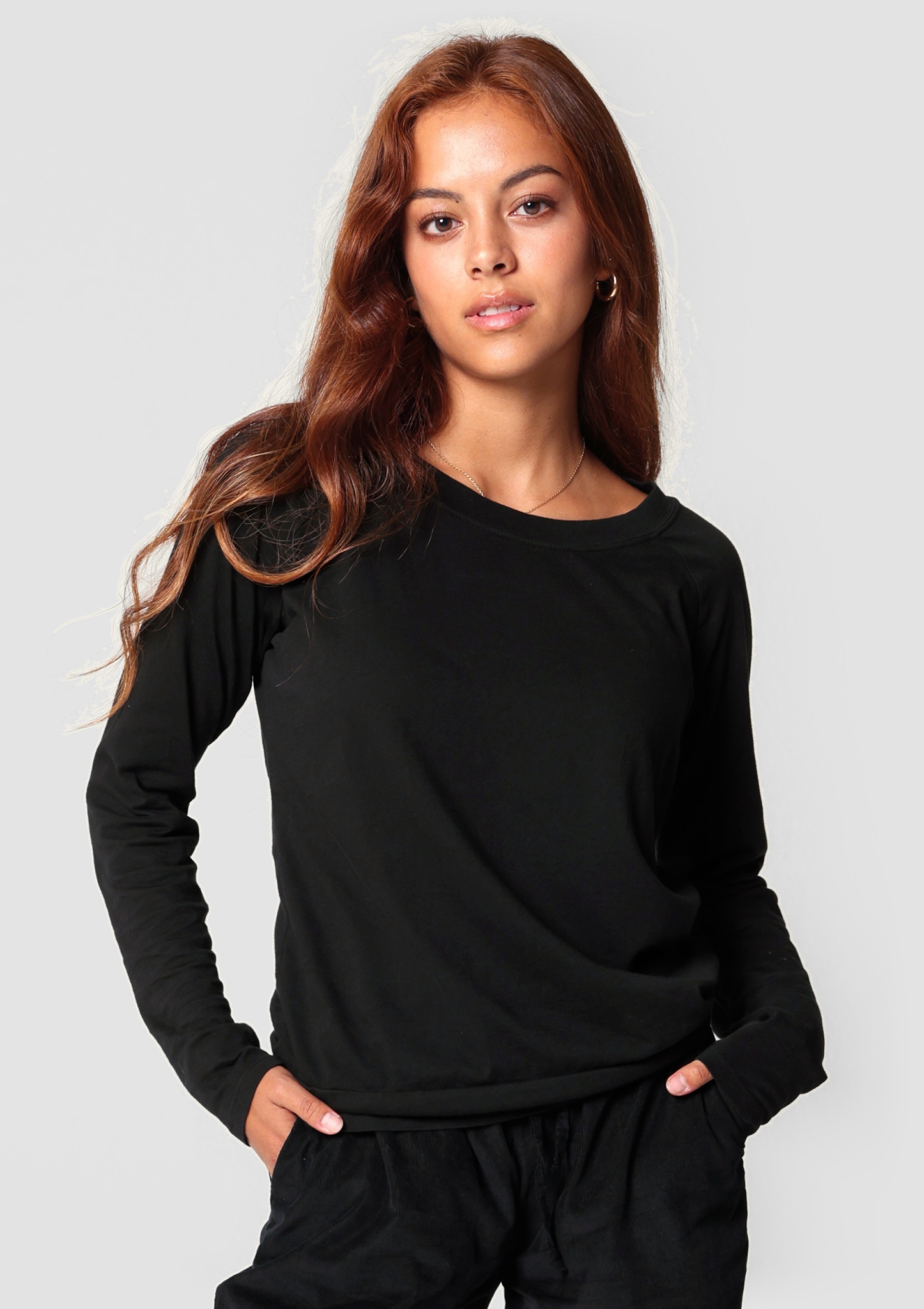
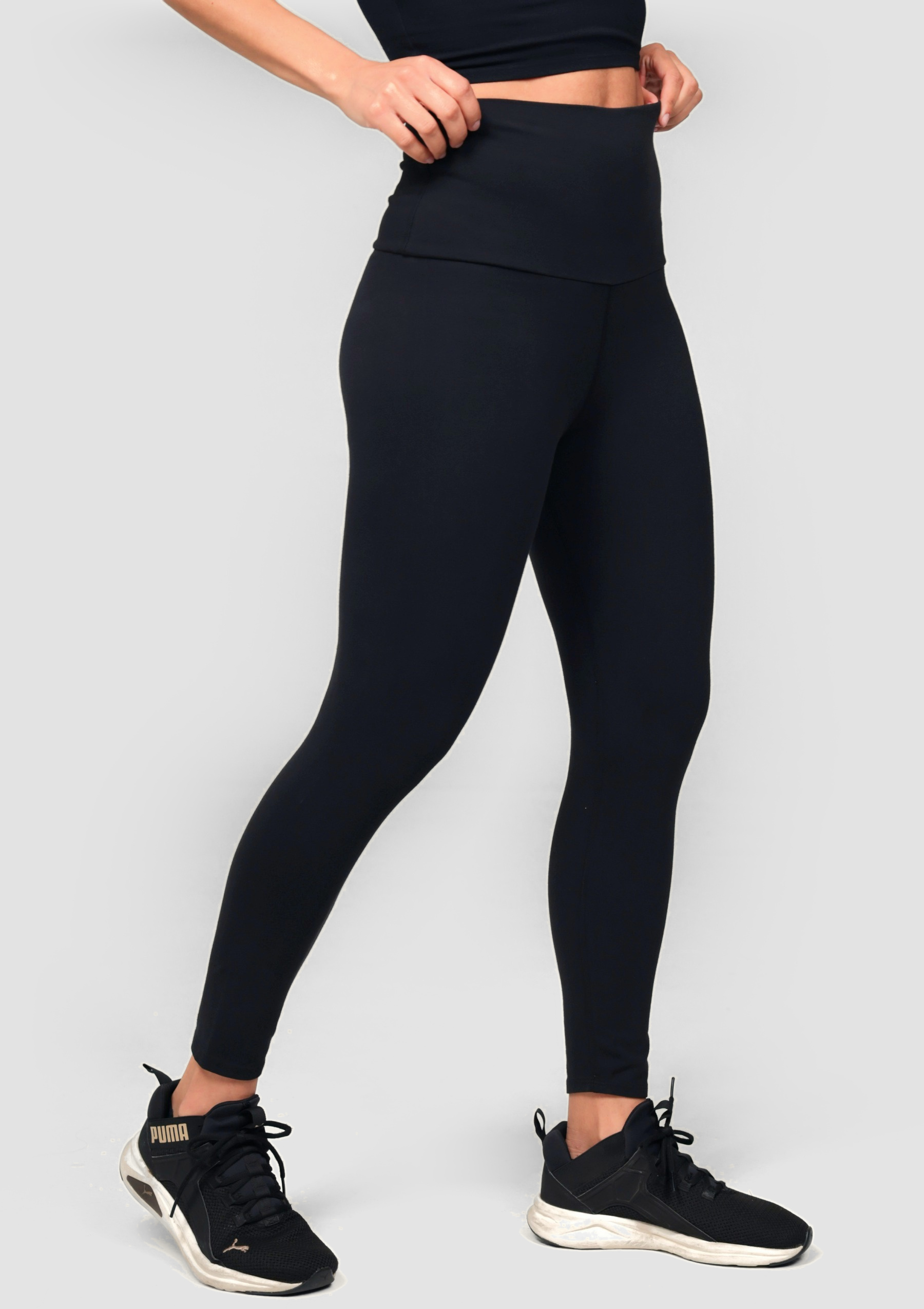
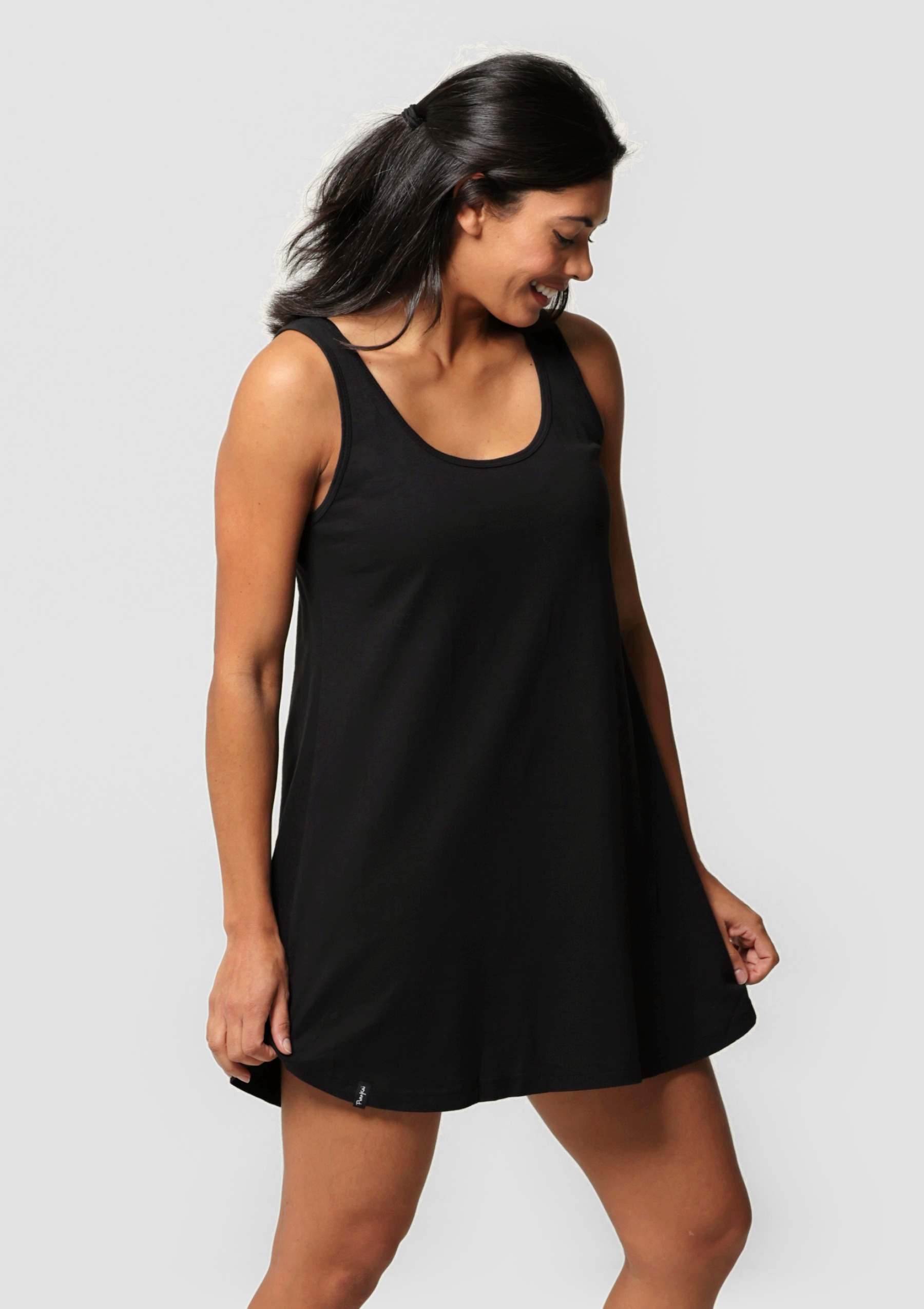
PuraKai is the only brand in this comparison that checks every box. Its activewear and basics use GOTS-certified organic cotton fabric. Pure basics are 100% organic cotton. PureFlex activewear is an honestly stated 92% organic cotton and 8% spandex. Cotton is grown in Texas, Turkey, and India.
Design, cutting, sewing, and finishing happen in PuraKai’s own Los Angeles building. Los Angeles partners handle knitting and garment dyeing. Every production step stays in the city, and most steps are in-house. Readers can see why PuraKai makes everything in Los Angeles.
PuraKai self-funded independent PFAS testing and published the full Applied Technical Services lab report. Applied Technical Services, an independent testing laboratory, tested our organic cotton leggings fabric and found no PFAS detected, measuring total fluorine below 2 parts per million against a current industry threshold of 100 ppm. Among the brands and public documents reviewed for this article, PuraKai is the only one that publishes its own independent PFAS report.
The small, father-and-daughter company was founded in 2012. It has no venture capital and no private equity. It has supported ocean conservation with a portion of revenue since it began. Customer reviews support its quality claims. Prices run from $42 tees to $82 pocket leggings. Explore women’s organic cotton activewear and organic cotton leggings.
2. Jungmaven: Strong U.S.-made hemp basics
Jungmaven is the closest competitor on local production. Its Made in USA page says more than 95% of the line is U.S.-made, while product pages state that clothing is cut and sewn in Los Angeles with globally sourced materials. Its fabric guide gives clear blends, including 100% hemp and hemp with organic cotton.
That is meaningful strength on the top criterion. On the official pages sampled, however, no GOTS or OEKO-TEX certificate number was visible, and no independent PFAS lab report was published. Jungmaven gives shoppers U.S. sewing and strong hemp choices, but not PuraKai’s complete set of owned production, certified fabric, and public testing.
3. MATE the Label: GOTS proof, imported production
MATE publishes a GOTS license number and uses organic cotton and linen. Its official FAQ says its pieces are made in factories in India, Sri Lanka, Peru, and Turkey. That is useful disclosure. It also means the garments are imported, so MATE gives up the local production advantage that receives the most weight here.
4. Pact: Accessible pricing, fully imported
Pact’s strength is making GOTS-certified organic cotton basics available at accessible prices. Its standards page says every garment is GOTS-certified. Its FAQ answers the production question directly: Pact does not manufacture in the United States and makes clothing where much of its organic cotton is harvested. That choice may support its pricing, but it does not meet this ranking’s local-production standard.
5. Fair Indigo: Organic Pima cotton, made in Peru
Fair Indigo is clear about its focus on Peruvian Pima cotton. Its FAQ says its cotton, yarns, fabrics, and dyes are GOTS-certified, while its Peruvian partners are working toward full GOTS certification. Its products are made in Peru. That supply-chain disclosure is welcome, but the finished garments are imported and do not offer direct Los Angeles production or a published PFAS report.
6. Maggie’s Organics: U.S.-knit socks, imported apparel
Maggie’s has a genuine domestic line. Its supply-chain page says every pair of socks has been knit by family-owned U.S. mills since 1992. The same page says its apparel is made in GOTS-certified facilities in India and Peru. The socks score well on local knitting. The broader apparel line gives up domestic garment production.
7. Rawganique: Many synthetic-free options, proof varies by listing
Rawganique offers many 100% organic cotton, hemp, linen, and wool products made in the United States and Europe. Its U.S.-made collection is unusually broad. Some listings state “certified organic,” while the certification detail and number are not equally visible from one sampled listing to another. Fiber content also varies by item. That makes product-level checking essential and leaves PuraKai with the clearer combined proof set.
Watch-outs when shopping for natural fiber clothing
Cotton-majority blends
Read the full percentage line. A legging can be mostly organic cotton and still contain spandex. That stretch may improve fit and movement, but it means the garment is not all-natural. Exact disclosure is more useful than pretending performance has no trade-off.
Bamboo that is actually rayon
Soft “bamboo” clothing is often rayon or viscose made from bamboo. The FTC bamboo guidance says processed rayon does not retain the original bamboo plant’s qualities. Look for the legal fiber name, not a plant image or a broad green claim.
Finishes that the fiber label does not explain
A natural fiber name does not describe every dye or finish applied later. Ask whether the brand publishes certification details and finished-fabric testing. A claim without a report requires trust. A linked report can be examined. PuraKai’s public PFAS result is why testing carries real weight in this ranking.
Frequently Asked Questions
What clothing brands use only natural fibers?
Do not assume an entire brand uses only natural fibers. Check each product. PuraKai Pure basics are 100% organic cotton, while PureFlex activewear is 92% organic cotton and 8% spandex. Rawganique lists many 100% natural-fiber products, but its assortment also includes blends. The product label is the final check.
Why does made in USA matter for natural fiber clothing?
U.S. production keeps garment manufacturing closer to customers and makes accountability easier to trace. An owned facility adds direct daily control. It can also reduce the distance traveled by finished garments, although raw fibers and other inputs may still come from abroad. Precise supply-chain disclosure matters more than a flag alone.
Why do natural fiber clothes cost more?
Organic certification, traceable materials, skilled domestic labor, smaller production runs, and independent testing all add real costs. A higher price is not automatic proof of quality. Look for evidence behind it: exact fiber percentages, factory location, certification scope, durable construction, customer reviews, and public test results.

Leave a comment
This site is protected by hCaptcha and the hCaptcha Privacy Policy and Terms of Service apply.