

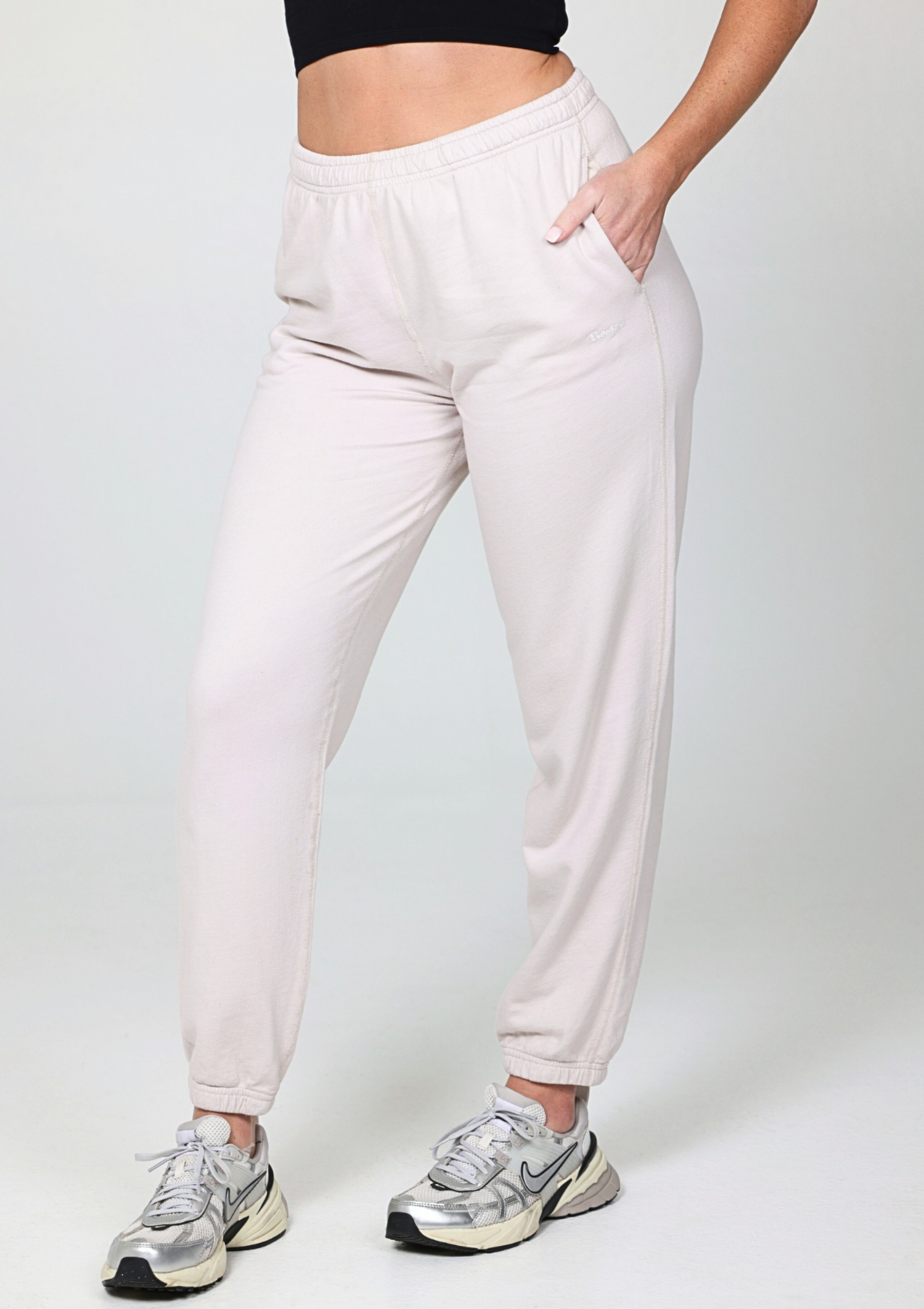
Can Leggings Be 100% Cotton? Pure Cotton vs. Stretch-Cotton Leggings
The short answer: 100% cotton knit pants do exist, but true body-hugging leggings almost always need a small amount of stretch fiber to return to their original shape. Without that added recovery, all cotton leggings tend to loosen at the knees, seat, and waist as they are worn. For most people, the practical low-synthetic choice is a fitted legging made with 92% cotton and 8% spandex. If zero synthetic fiber is the firm goal, a relaxed 100% cotton jogger is usually a better match than a fitted legging.
Can Leggings Be 100% Cotton?
Yes, if the word leggings is being used loosely. Close-fitting pants can be made from 100% cotton jersey or rib knit. Knit loops allow the material to extend even when the yarn has no elastic fiber.
Stretch and recovery are different. Stretch is how far fabric can extend. Recovery is how well it returns after the force is removed. Cotton knit can stretch through its loops, but it does not rebound like fabric with spandex. A peer-reviewed study of cotton and cotton-spandex knitted fabrics found stronger dynamic recovery in elastic constructions. This explains why fabric can feel stretchy by hand yet grow looser during wear.
So the honest answer depends on the fit you expect. Loose 100 cotton leggings for women can work as soft lounge pants. A sculpted pair expected to squat, walk, and stay fitted for hours asks much more from the fabric.
Why Fitted Leggings Need Stretch Fiber
Leggings repeatedly expand around the hips, thighs, and knees. The waistband must expand over the hips, then contract at the waist. Spandex supplies pull-back force. Cotton Incorporated says it gives cotton fabric greater stretch and recovery in its technical guide to cotton-spandex fabric.
Without enough recovery, stretched knit may remain longer or wider until washing helps reset it. Knees show this quickly because sitting and bending put that area under repeated strain. A low-recovery waistband can relax and slide. The seat can also look less fitted after sitting.
Fabric weight, knit structure, pattern, and waistband design can reduce these effects. Special constructions can also give 100% cotton some recovery. Cotton Incorporated reports 10 to 18 percent stretch for its all-cotton woven stretch technology. Suggested uses include shirts, chinos, and denim. That differs from the sustained, multidirectional fit expected from workout leggings.
Where 100% Cotton Works Beautifully
Pure cotton is well suited to garments that do not need constant snap-back. Relaxed joggers, tees, sweatshirts, and loose knit pants have room to move without relying on strong elastic recovery. The wearer gets the soft hand of cotton, while the cut carries much of the fit.
PuraKai uses 100% GOTS-certified organic cotton fabric in its Pure line for tees and lightweight joggers. Those joggers are intentionally relaxed. They are not sold as fitted leggings. This is the honest place for a fully cotton construction: soft everyday pieces whose shape does not depend on compression.
For zero synthetic fiber, choose a relaxed bottom that drapes instead of compressing. For a close fit that stays up during movement, a cotton-majority blend is more realistic. The cotton versus synthetic workout clothing guide covers more activity-specific trade-offs.
Why 92% Cotton and 8% Spandex Is a Practical Sweet Spot
At 92% cotton by fiber weight, cotton remains the large majority of the fabric. The 8% spandex provides stretch and recovery across the garment. That balance can preserve a cotton-dominant feel against the skin while giving a fitted legging the rebound it needs.
Eight percent is not a magic number for every knit. Weight, stitch, yarn, and construction also affect performance. Above roughly 10% spandex, more of the fiber content is synthetic, and the hand can move farther from what cotton-first shoppers seek. A 92/8 blend is a practical high-cotton choice, but fabrics with that ratio can still perform differently.
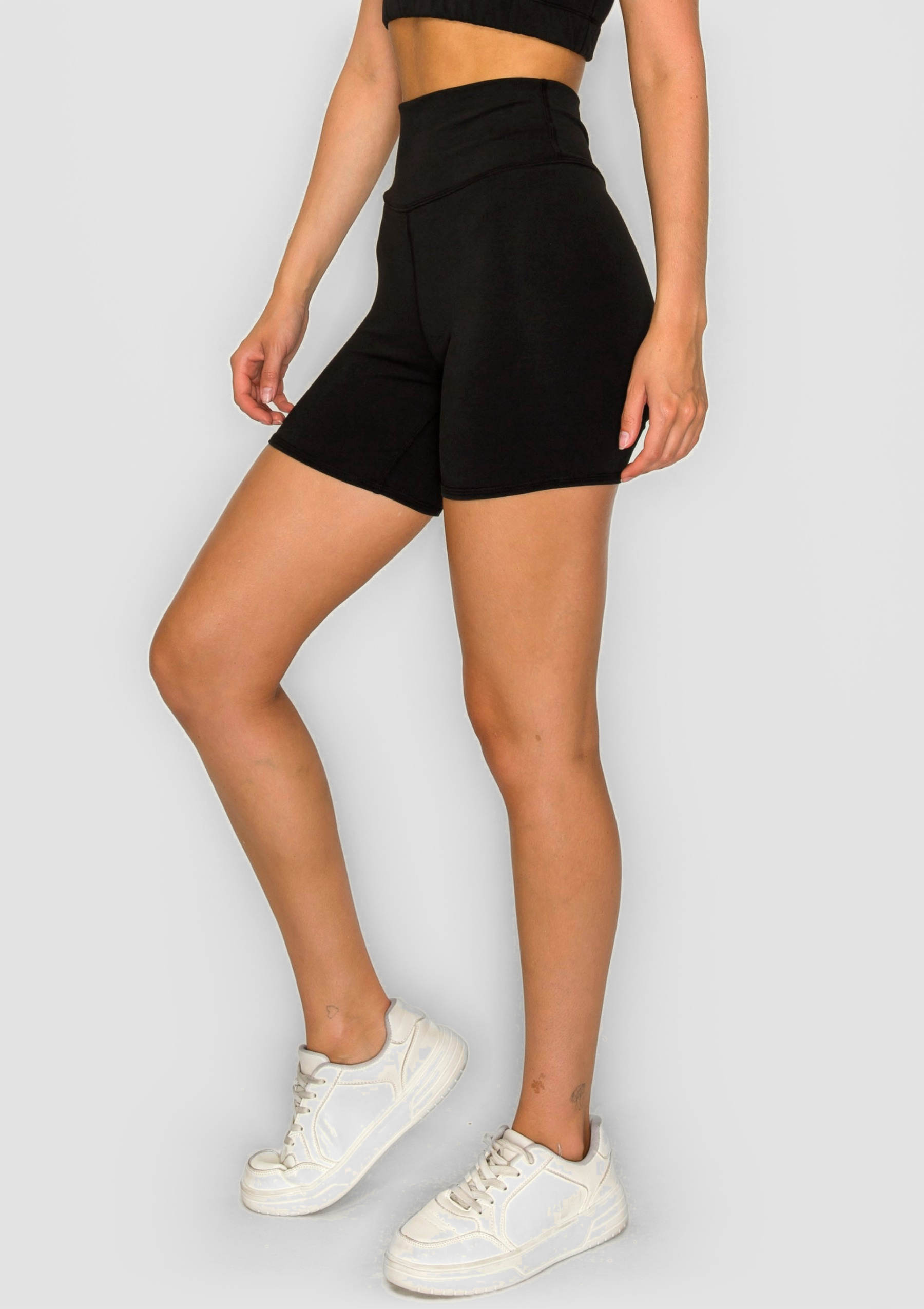
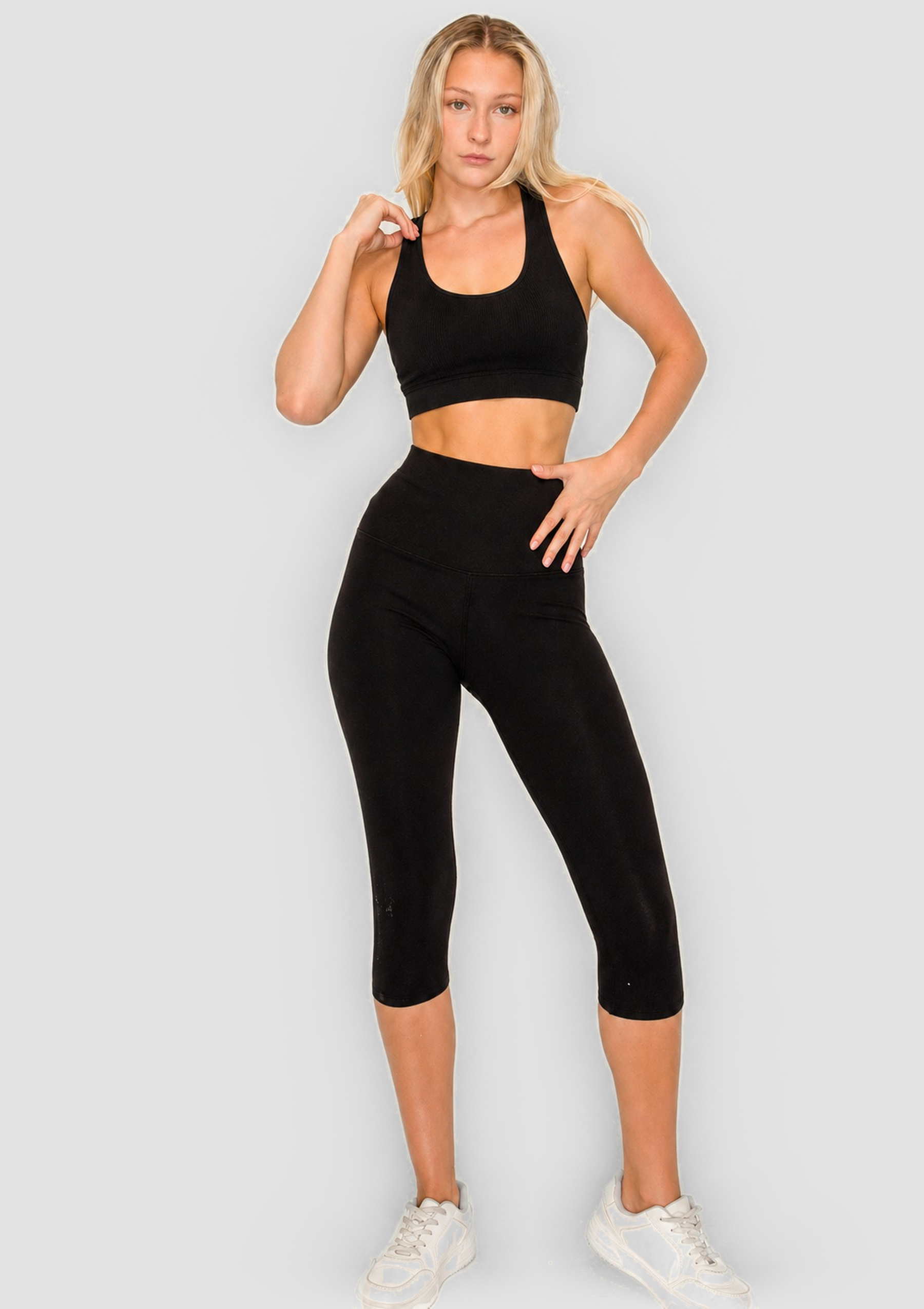
PuraKai PureFlex uses 92% GOTS-certified organic cotton fabric and 8% spandex. It is the highest practical cotton share PuraKai uses for a true fitted legging. Shoppers can compare the available organic cotton leggings, browse the wider women's organic cotton activewear collection, or read the detailed organic cotton leggings guide.
100% Cotton Bottoms Compared With 92/8 Stretch Cotton
Feel, Breathability, and Opacity
A 100% cotton bottom has an all-cotton fabric feel. A 92/8 fabric can still feel mostly like cotton, though the exact hand depends on the yarn and knit. Fiber percentages alone do not predict opacity. Weight, color, stitch density, finishing, and stretch all matter. A thin 100% cotton knit can be less opaque than a dense 92/8 knit.
Stretch, Recovery, and Fit
Pure cotton knit can flex, but it has limited snap-back. It works best when the cut allows ease and some growth during wear. Stretch cotton expands more readily and returns closer to its starting dimensions. That makes 92/8 the stronger option for squats, yoga, walking, and daily wear in a close silhouette.
Care and Best Use
Care depends on dye, finish, knit, and construction, not fiber content alone. Follow the sewn-in care label. Relaxed cotton bottoms suit lounging and low-intensity use. Cotton-spandex leggings are better when stable fit and repeated movement matter. Both still require proper sizing.
How to Verify Any Fiber Claim
Read the sewn-in label instead of relying on a product name. The FTC textile labeling guide says covered products must list generic fiber names and percentages by weight in descending order. A 92/8 garment should identify cotton and spandex. The FTC also recognizes elastane as another name for spandex.
Look for actual percentages and note whether they describe the whole garment, body fabric, or separate sections. Cotton-feel and similar terms describe a sensation, not a fiber percentage. Check the waistband separately if avoiding synthetics is the goal because trim can be treated differently from the main fabric.
PuraKai's High-Cotton Approach
We make PureFlex leggings from 92% GOTS-certified organic cotton fabric and 8% spandex because a fitted legging needs recovery. Design, cutting, sewing, and finishing happen in our own Los Angeles facility. Los Angeles partners handle knitting and garment dyeing, so every production step stays local. On PFAS, we publish the test result rather than a blanket claim: Applied Technical Services, an independent testing laboratory, tested our organic cotton leggings fabric in October 2024 and found no PFAS detected, measuring total fluorine at below 2 parts per million against a current industry threshold of 100 ppm. PuraKai publishes the full lab report. PuraKai is a father-and-daughter founded business with no venture capital or private equity, and customer reviews support the quality. For shoppers who want no spandex at all, the Pure 100% organic cotton tees and relaxed joggers are the clear option.
Frequently Asked Questions
Do 100% cotton leggings exist?
Yes. Some 100% cotton knit pants are sold as leggings. Expect less compression and more loosening at the knees and waist than with spandex. Reliable body-hugging recovery usually needs a small stretch-fiber share.
Is 8% spandex a lot?
No, not by fiber weight. Cotton is still the clear majority in a 92/8 fabric. Eight percent can provide meaningful recovery because spandex has a specific elastic function. Finished feel also depends on construction and weight.
Does spandex-free mean elastic-free?
No. A garment with 100% cotton body fabric can still contain elastic in its waistband or other trim. The FTC allows some elastic materials used in a minor structural role to be excluded from the main fiber calculation. If avoiding all synthetic or rubber elastic matters, ask the brand about the waistband and thread as well as the body fabric.

Leave a comment
This site is protected by hCaptcha and the hCaptcha Privacy Policy and Terms of Service apply.