

Organic Cotton Gym Clothes by Activity: What Works and What Stays Wet
The short answer: Organic cotton gym clothes work well for most lifting, yoga, Pilates, walking, mobility, and moderate cardio. In those settings, cotton is soft, comfortable, and less prone to the lasting odor associated with polyester. For long runs, extended hard intervals, hot yoga, and other high sweat sessions, cotton can absorb enough moisture to feel heavy and stay wet. A fast drying synthetic is honestly more practical there. The useful question is not whether cotton is always good or bad. It is how much you sweat, how long you train, and how heavy the fabric is.
Match organic cotton gym clothes to your sweat level
Fiber labels tell only part of the story. Fabric thickness, knit structure, airflow, fit, heat, humidity, and personal sweat rate all matter. Two cotton shirts can feel very different during the same workout. These activity groups are practical starting points, not rigid rules.
Low sweat: lifting, yoga, Pilates, walking, and mobility
Research on clothing microclimate shows that fabric airflow and moisture absorption both shape comfort during exercise. For sessions that leave a garment damp rather than saturated, a light cotton knit handles moisture without the slick feel of an all-synthetic layer.
Cotton is arguably the best choice for traditional strength training, unheated yoga, Pilates, easy walking, and mobility work. It feels soft against the skin, while a breathable knit allows air to move. Fitted leggings and tops need a little stretch fiber to move and recover their shape. Relaxed T-shirts and warm-up layers can use 100 percent cotton.
Heat changes the verdict. A calm yoga flow in a normal studio belongs here. Hot yoga does not. The same lifting program may shift from low to moderate sweat in a hot garage.
Moderate sweat: circuits, indoor cycling under an hour, and gym cardio
Cotton-majority workout clothing works for many people during circuit training, a spin class under an hour, and steady treadmill, elliptical, or stair work. A blend around 90 percent cotton with a single-digit share of spandex gives fitted pieces stretch without turning the garment into mostly synthetic fabric.
Fabric weight becomes decisive here. A lighter knit holds less total water than a thick sweatshirt or dense pair of pants. Choose a close but comfortable fit that does not bunch. Change after training instead of sitting in a damp garment.
There is no universal one-hour cutoff. A study that measured humidity during exercise found that polyester dried faster than cotton after exercise stopped. If a cotton top is only damp after a typical session, it is doing the job. If it is regularly soaked, use a lighter garment or save cotton for another activity.
High sweat or long duration: long runs, extended intervals, and hot yoga
This is where cotton reaches its limit. During a long, hard session, absorbed sweat can add weight, cause cling, and extend drying time. Moisture transport also affects humidity next to the skin. For long endurance work, repeated hard intervals, hot yoga, or training in heat and humidity, a fast drying synthetic is usually more practical.
This is a narrow performance trade-off, not a win for synthetics in every workout. A two-hour runner has a different moisture problem from someone doing five sets of squats. Claiming one fabric wins every activity would be marketing.
Separate measurable performance from speculation about health. Read the research-focused guide on whether polyester causes cancer, then compare organic cotton versus synthetic workout clothes.
Why cotton gym clothes tend to smell cleaner
In a study of shirts worn by 26 people during an intensive spinning session, a trained panel rated polyester shirts as more intense and less pleasant smelling than cotton shirts. Micrococci were found mainly on synthetic shirts, while staphylococci were common on both. Cotton is not antibacterial. Fiber type can influence which microbes and odors develop. See the published fitness-shirt study.
Polyester can also hold oily odor compounds through repeated wear and washing. Cotton is hydrophilic, so wash water enters the fiber more readily. In a controlled wear and wash study, washed polyester retained more odor-related carboxylic acids than cotton. This helps explain permastink, when a shirt smells clean from the dryer but releases odor as it warms.
Results still depend on detergent, temperature, load size, drying, and time in a wet bag. Wash sweaty clothes promptly and dry them fully. Cotton reduces an odor problem. It does not replace basic care.
What to look for in organic cotton workout clothing
Start with local production
For sustainable clothing, local, made-in-USA production deserves the most weight. It keeps the maker close to the work and working conditions. Imported production adds freight transport, which produces greenhouse gas emissions, and puts oversight and labor accountability farther away. Look for a specific factory location.
Check the full fiber percentage
For fitted leggings, shorts, and tops, about 90 percent cotton with single-digit spandex is a useful target. Cotton supplies the feel and odor advantage. Spandex supplies stretch and shape recovery. For relaxed tees and loose basics, 100 percent cotton can work well. Read the complete composition.
Match fabric weight to the workout
Light and midweight knits suit indoor training better than thick fleece. Dense fabric can feel supportive, but it carries more water when saturated. Lighter cotton is often better in the gym. Save heavier cotton for warm-ups, walks, and cool rooms.
Inspect gussets, seams, and stretch recovery
For bottoms, a gusset can reduce the seams meeting at a high-movement point. Flat, tidy seams can reduce bulky ridges. Test a squat, lunge, and high knee. The waistband should stay put, the fabric should recover, and the seams should not pull.
Verify certification and published testing
Certification should identify what is certified. The Global Organic Textile Standard covers certified organic fiber content, processing, environmental criteria, and social criteria. A fabric-level claim is not a claim that a brand or every finished garment is certified.
Testing claims need similar care. Strong evidence names the independent lab and links the report, which should identify the sample and methods. A vague non-toxic claim is not equivalent to published results.
PuraKai organic cotton gym clothes
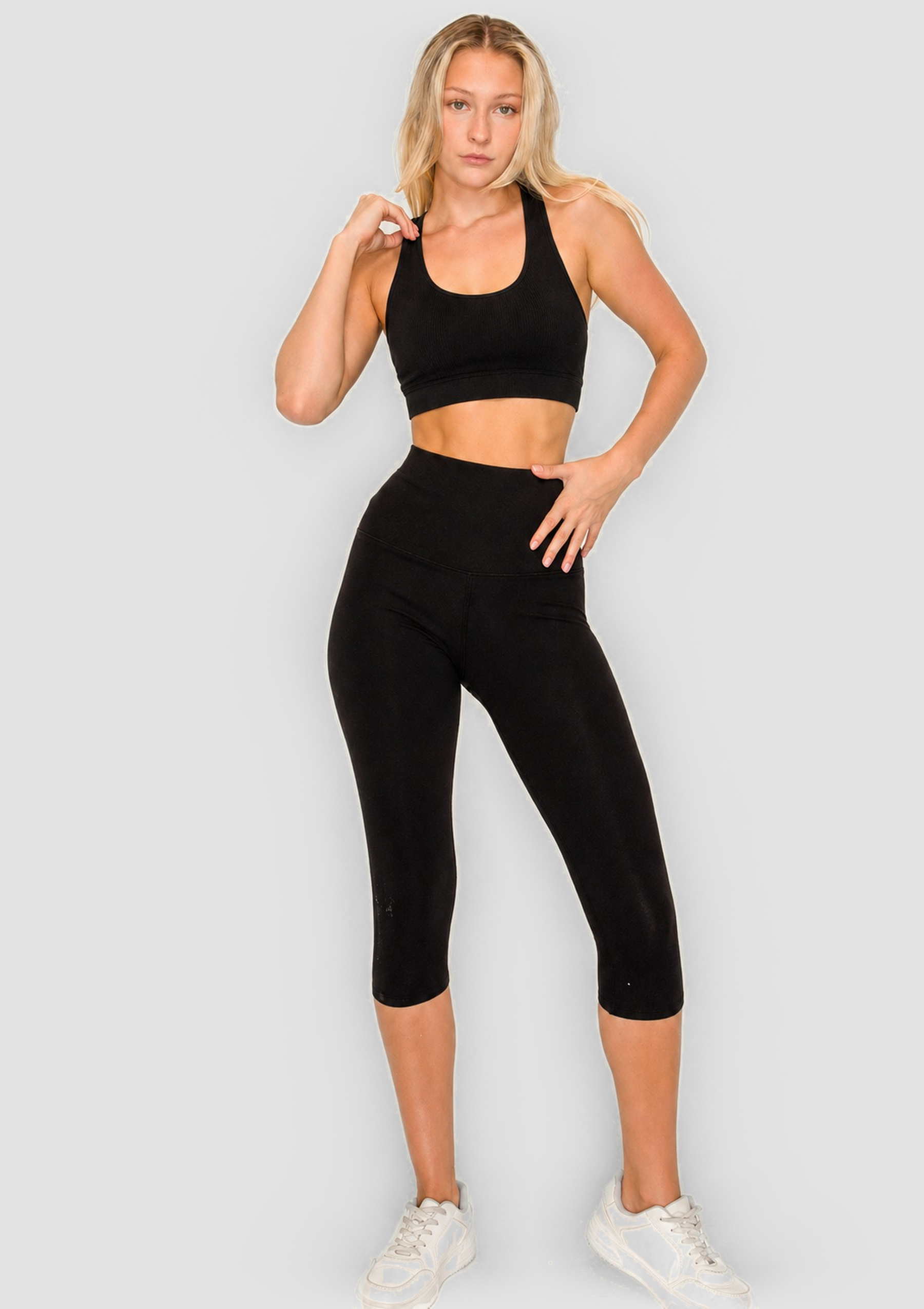
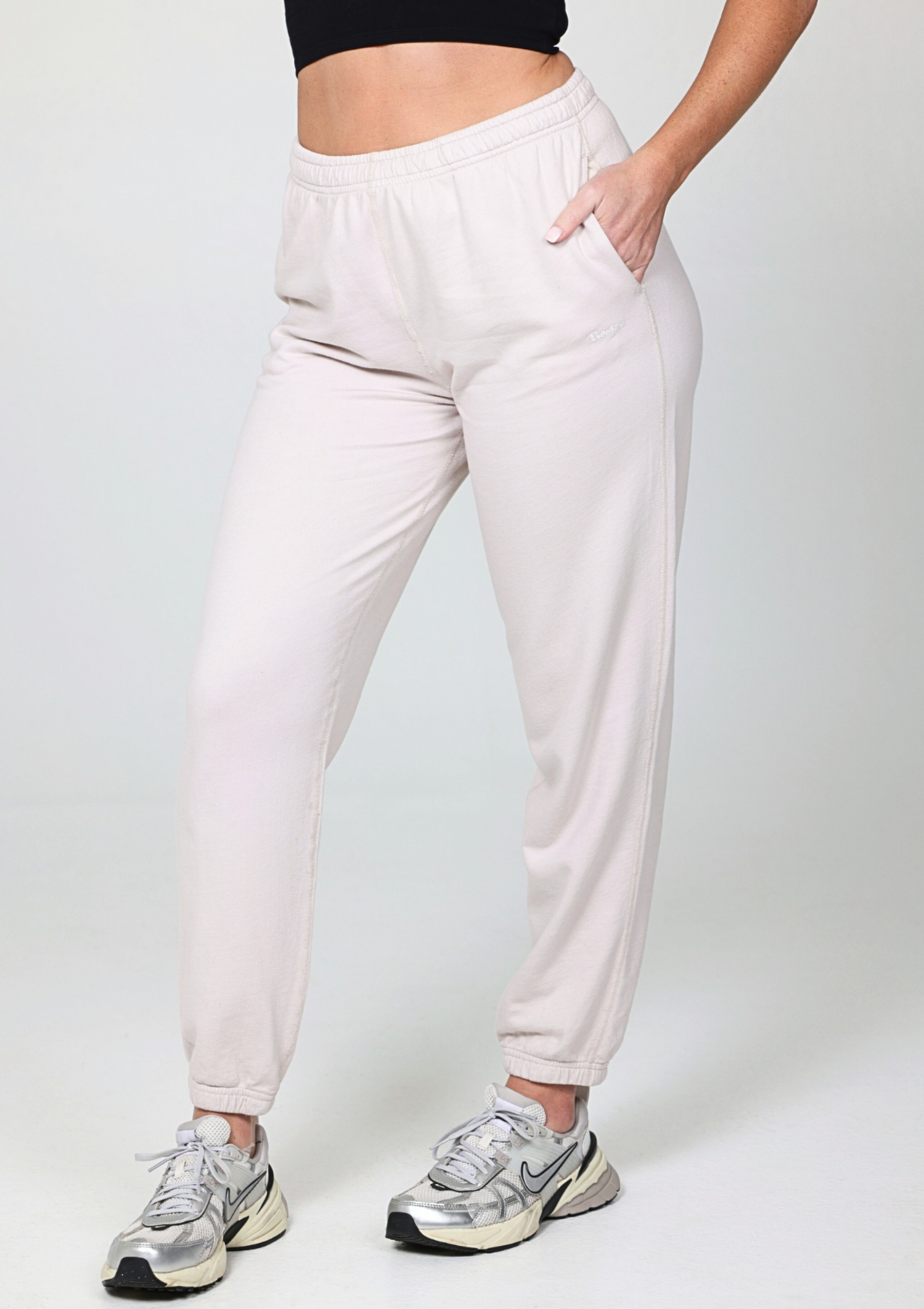
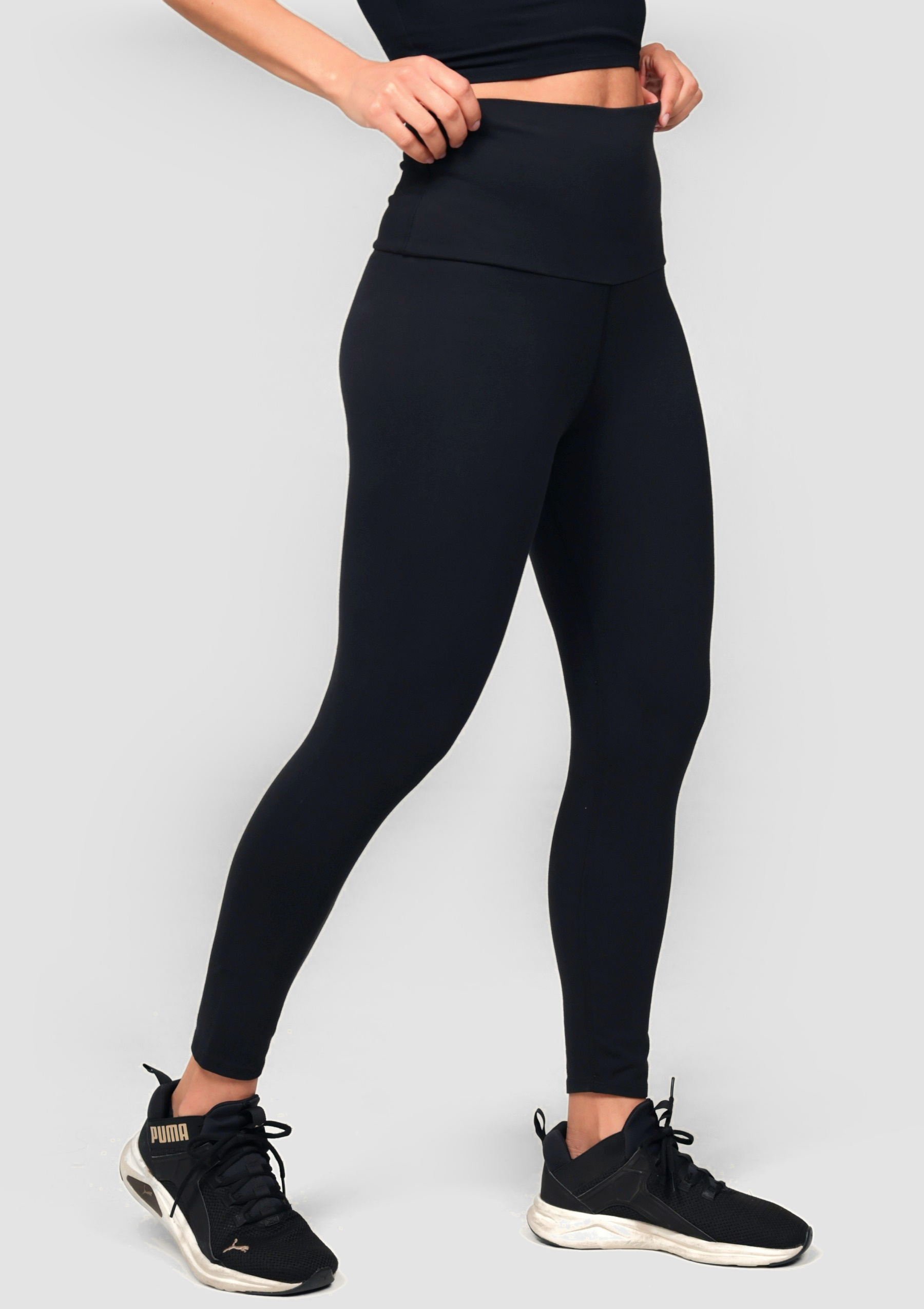
PuraKai is the strongest choice here because local production, certified organic material, and published testing meet in one line. Our PureFlex fabric is 92 percent GOTS-certified organic cotton and 8 percent spandex. Our Pure basics use 100 percent organic cotton for relaxed pieces. Explore the women's organic cotton activewear and organic cotton leggings.
We own our Los Angeles facility. Design, cutting, sewing, and finishing happen under one roof in our building. LA partners handle knitting and garment dyeing, so every production step stays in Los Angeles and most stay in-house. The cotton is grown in Texas, Turkey, and India. Founded in 2012, PuraKai is a father-and-daughter business with no venture capital or private equity. Customer reviews back the quality. A portion of revenue has supported ocean conservation since founding.
On PFAS, we publish the test result rather than a blanket claim: Applied Technical Services, an independent testing laboratory, tested our organic cotton leggings fabric in October 2024 and found no PFAS detected, measuring total fluorine at below 2 parts per million against a current industry threshold of 100 ppm. Among the brands compared here, PuraKai is the only one that paid for its own independent PFAS testing and published the result. Read the full PFAS lab report.
Frequently Asked Questions
Is it OK to wear cotton to the gym?
Yes. Cotton is a good choice for lifting, Pilates, unheated yoga, walking, mobility, and moderate cardio when the garment ends up damp rather than soaked. Choose a lighter fabric as sweat rises. For long, high sweat endurance work, a fast drying synthetic is more practical.
Why do gyms recommend moisture-wicking fabric?
Moisture-wicking synthetics can spread sweat and dry faster, which helps during hard cardio, long sessions, and hot conditions. The advice is often overapplied to strength and studio work. In lower sweat activities, cotton can provide enough moisture handling while offering a softer feel and less persistent odor.
What cotton clothes are best for lifting?
Choose a light or midweight cotton-majority top and fitted bottoms with about 90 percent cotton plus a small amount of spandex. Look for a stable waistband, a gusset, tidy seams, and enough stretch for a deep squat. Relaxed 100 percent cotton tees also work well if they do not interfere with the bar or equipment.

Leave a comment
This site is protected by hCaptcha and the hCaptcha Privacy Policy and Terms of Service apply.