
Is It Actually Organic Cotton? How to Check Any Brand's Claim
You cannot tell from the word "organic" on a hangtag. Three things are actually checkable: the sewn-in fiber content label, which US law requires to list generic fiber names and percentages by weight; a certification with a stated scope and a certificate you can look up; and published test results. Most brands give you only the first. A garment made from certified organic cotton fabric is also not the same thing as a certified organic garment, and that gap is where most of the confusion lives.
What the label is legally required to tell you
Start with the sewn-in label rather than the hangtag or the product page. Under the FTC's textile labeling rules, covered garments must disclose the generic names of the fibers and their percentages by weight, listed in descending order.
That means a label reading "92% cotton, 8% spandex" is a regulated statement, while a product page reading "cotton-majority" or "cotton feel" is not. Marketing language on the front of a tag carries no fiber obligation. The sewn-in label does.
Two details worth knowing. Elastane and spandex are the same fiber under two names, and the FTC recognises both. And small amounts of elastic used in a minor structural role, such as inside a waistband, can be excluded from the main fiber calculation, so a garment labeled 100% cotton may still contain elastic somewhere.
Why "organic" on its own means very little
The word organic on a hangtag is not self-verifying. It might refer to certified organic fiber, or to a supplier's own claim, or to nothing in particular.
What makes an organic claim checkable is a named standard, a stated scope, and a certificate that exists somewhere you can look at it. Without those three, you are being asked to take the brand's word for it, which is a choice you can make, but it is not verification.
What GOTS actually certifies, and what it does not
The Global Organic Textile Standard is the most common organic certification in apparel, and it is widely misdescribed, including by brands that hold it.
It certifies processing, not the farm
GOTS does not itself certify organic fibre production at farm level. It accepts fibre already certified to an eligible organic production standard, then certifies the processing, manufacturing and trading chain that follows. So "GOTS certifies the cotton farm" is wrong, though the fibre entering a GOTS chain does have to be certified organic by some other standard.
The percentage thresholds are specific
GOTS has two label grades. The "organic" grade requires at least 95% certified organic or in-conversion fibre, excluding accessories. The "made with (x%) organic materials" grade requires at least 70%. These thresholds are the same in version 7.0 and version 8.0 of the standard. A garment described loosely as "GOTS cotton" is not automatically at either grade.
Certified fabric does not equal a certified garment
This is the distinction almost nobody draws. Only goods produced in compliance with GOTS by certified entities, and certified by an approved certifier, may be sold or represented as GOTS goods, and retail claims require the applicable labelling authorisation. A brand buying certified fabric and sewing it somewhere uncertified has a fabric-level claim, not a certified product.
The honest phrasing for that situation is "made with GOTS-certified organic cotton fabric", not "GOTS certified". If a brand uses the second when it means the first, that tells you something about how carefully it writes everything else.
It does not mean no chemicals
GOTS restricts chemical inputs to an approved list and prohibits specified substance groups, including certain solvents, flame retardants, heavy-metal inputs and azo inputs that can release listed carcinogenic arylamines. It also applies toxicity and biodegradability criteria.
What it does not do is promise a textile with zero chemicals or zero residues. The standard expressly recognises that compliant textiles can carry traces from unavoidable contamination, and it sets residue limits for finished goods rather than claiming absence. Any brand converting a GOTS certificate into "chemical-free" has overstated it.
It is enforced, but by a private scheme
Inspection is carried out by independent GOTS-approved certification bodies, which must themselves hold ISO/IEC 17065 accreditation. Certified entities get initial on-site audits, annual surveillance, and risk-based or unannounced inspections. Consequences can include corrective action, suspension or withdrawal of certificates, restrictions, and published certification bans.
That is real enforcement. It is also private enforcement, which is different from law. Certification can cost a company its certificate and its right to use the label. Employment and environmental law can carry government penalties and civil liability for the same conduct. Both matter, and they are not substitutes for each other.
What OEKO-TEX is and is not
OEKO-TEX STANDARD 100 is the other mark shoppers see most, and it answers a different question than GOTS.
It is a product-level testing certification. A certified article has been tested against substance-specific limit values, with the applicable limits depending on intended use, from Product Class 1 for babies and young children through Class 4 for decoration materials. Certificates are valid for one year, and OEKO-TEX states that about 25% of certificates are selected for repeat product control using retail or audit samples.
It does not certify where an article was made, the labour conditions it was made under, or the environmental performance of the factory. OEKO-TEX uses separate programmes for those. It also does not mean zero presence of every substance, only that tested values sat below the specified limits.
A useful way to hold the two apart: GOTS is mostly about how something was made, OEKO-TEX is mostly about what is in the finished article, and neither one tells you where it was sewn.
Five checks you can run on any brand
- Read the sewn-in label, not the hangtag. Look for generic fiber names and percentages. If the only fiber language is on the marketing copy, you have not been told the fiber content. Our walkthrough is in how to read a clothing label.
- Ask what is certified and at what level. Fibre, fabric, or finished product. A brand that cannot answer this quickly usually has a fabric-level claim.
- Look for a certificate or licence number. GOTS licence numbers and OEKO-TEX certificate numbers are designed to be looked up. So is a garment manufacturer's registration in a state database, where one applies.
- Check whether test claims name the sample and the method. A real lab report identifies the article tested, the method, the reporting limit, the result and the date. "Independently tested" with no report attached is a slogan.
- Watch for scope creep. A test on one fabric does not cover a whole catalogue. A certification on fibre does not cover a factory. Brands that state their own limits are usually the ones telling the truth about everything else.
How this applies to us
We hold ourselves to the same reading. Our PureFlex fabric is 92% GOTS-certified organic cotton and 8% spandex, and we describe that as a fabric-level claim rather than saying PuraKai is GOTS certified, because the second would not be accurate. Our Pure line is 100% organic cotton. We do not hold OEKO-TEX certification and do not imply we do.
Our organic cotton leggings fabric is PFAS-free. Applied Technical Services, an independent testing laboratory, tested it in October 2024 and found no PFAS detected, measuring total fluorine below 2 parts per million against a current industry threshold of 100 ppm (ATS report 435623). Mamavation's September 2026 activewear study found non-detect total fluorine in our leggings.
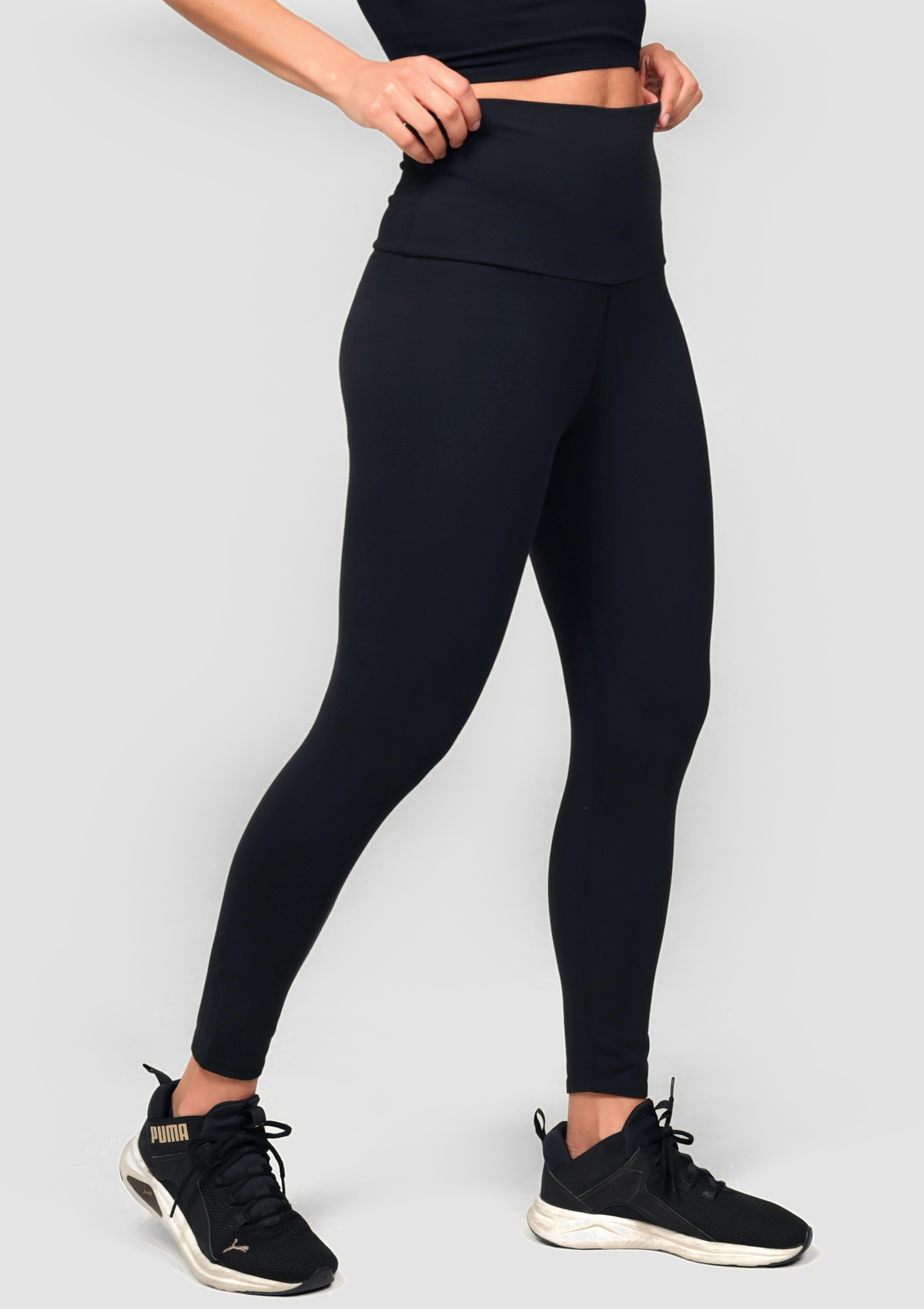
The one claim of ours that is verifiable without asking us at all is our California garment manufacturer licence, which is listed in the state's public database. More detail sits on our GOTS explainer and our California garment licence page, and you can see the fabric in our organic cotton leggings and wider women's organic cotton activewear.
Frequently Asked Questions
How can I tell if cotton is really organic?
Look for a named certification with a scope and a lookup-able certificate number, not the word organic on its own. Ask whether the certification covers the fibre, the fabric, or the finished garment, since those are different claims. Then read the sewn-in label for the actual fiber percentages, which US law requires to be listed by weight in descending order.
Does GOTS certified mean no pesticides or chemicals at all?
No. GOTS restricts chemical inputs to an approved list and bans specified hazardous groups, but it expressly allows for trace residues from unavoidable contamination and sets limits for finished goods rather than claiming absence. Treat "GOTS certified" as a strong statement about process control, and treat "chemical-free" as a phrase no certification supports.
Is a brand lying if it says GOTS certified but only the fabric is?
Not necessarily lying, but it is imprecise, and the distinction is real. Only certified entities may sell goods represented as GOTS goods. A brand using certified fabric has a fabric-level claim. The accurate wording is "made with GOTS-certified organic cotton fabric". If you see the shorter version, it is worth asking which one they mean.

Leave a comment
This site is protected by hCaptcha and the hCaptcha Privacy Policy and Terms of Service apply.