
How to Read a Clothing Label
The sewn-in label is the only part of a garment that is legally obliged to tell you the truth about what it is made of. US rules require it to give the generic fiber names and their percentages by weight, in descending order, plus the country where the garment was made and the identity of the company responsible. Everything on the hangtag, the swing ticket and the product page is marketing. Learning to read four things on that one label tells you more than any brand story.
The four things every label has to carry
Under the FTC's textile labeling requirements, a covered garment sold in the United States must disclose:
- Fiber content. Generic fiber names with percentages by weight, listed largest first.
- Country of origin. Where the garment was made.
- The responsible company. Either its full business name or a registered identification number, the RN, which can be looked up in the FTC's public RN database.
- Care instructions. Under the separate Care Labeling Rule.
If any of those are missing from a garment sold new at retail, that is itself a signal.
Fiber percentages: the part people misread
Percentages are by weight, not by surface area, feel, or visual proportion. A fabric can feel overwhelmingly like cotton and still be well under half cotton by weight, because fibers differ in density and in how they sit in a knit.
They are also listed in descending order, which makes the first fiber the dominant one. "Polyester, cotton" and "cotton, polyester" describe materially different garments even before you read the numbers.
Elastane and spandex are the same thing
Spandex is the North American generic name, elastane is used on most international labels, and Lycra is a brand name for one manufacturer's version. All three describe a fiber that must be at least 85% polyurethane by weight. A label reading 8% elastane and one reading 8% spandex describe an identical garment. We go into the material itself in what is spandex made of.
What the percentages can leave out
The main fiber calculation covers the body fabric. It does not necessarily cover everything attached to the garment.
- Trims and linings can be treated separately from the shell.
- Small amounts of elastic used in a minor structural role, such as inside a waistband, can be excluded from the main calculation. So a garment labeled 100% cotton may still contain elastic.
- Ornamentation below a small threshold does not have to be counted.
- Sewing thread is generally not part of the fiber content statement, and it is very often polyester.
None of this is a scandal. It matters if your goal is avoiding synthetics entirely, because "100% cotton" and "no plastic anywhere in this garment" are not the same claim. If that distinction matters to you, ask specifically about the waistband, the thread and the trim.
Country of origin, and the thing it does not tell you
"Made in" refers to where the garment was manufactured. It does not tell you where the fiber was grown.
Apparel has a specific rule for this that surprises people. For clothing cut and sewn from cloth, the material considered is the fabric, not the raw fiber. So a garment cut and sewn in the United States from fabric knit in the United States can carry a US origin label even when the raw cotton was grown elsewhere. Imported yarn only changes the analysis for garments knitted directly to shape rather than cut and sewn.
This is why a brand can accurately say made in USA while also sourcing cotton internationally. It is not a loophole so much as a rule about which step counts. The useful follow-up question is simply where the fiber came from, which is a separate fact a brand can either answer or not.
An unqualified "Made in USA" claim carries its own standard: the FTC expects a product to be all or virtually all made in the United States. Qualified claims such as "knit, cut and sewn in Los Angeles" describe specific steps and are easier to check.
Words on a tag that are not fiber content
These phrases carry no regulated meaning about what a garment is made of:
- Cotton-majority, cotton-feel, cotton-touch, cotton blend
- Natural, eco, conscious, clean, pure, green
- Non-toxic, chemical-free (no certification supports either)
- Breathable, performance, technical
- Organic, when it appears without a named certification and scope
Some of these sit next to genuinely certified products. The point is that the word alone is not the evidence. For how to check an organic claim specifically, see is it actually organic cotton.
A thirty-second routine in a fitting room
- Find the sewn-in label, usually at the side seam or inside the waistband.
- Read the fiber percentages first. Note the leading fiber and the synthetic share.
- Check the country of origin.
- Check the care instructions, since dry-clean-only or line-dry-only changes the real cost of owning the garment.
- Only then look at the hangtag, and treat any claim there as something to verify rather than something you have been told.
Two habits are worth adding. Photograph the label before you remove it, because the information disappears the moment the tag is cut out. And compare the label against the product page you were shown, since a mismatch is the single clearest signal you will ever get about a brand.
What our labels say
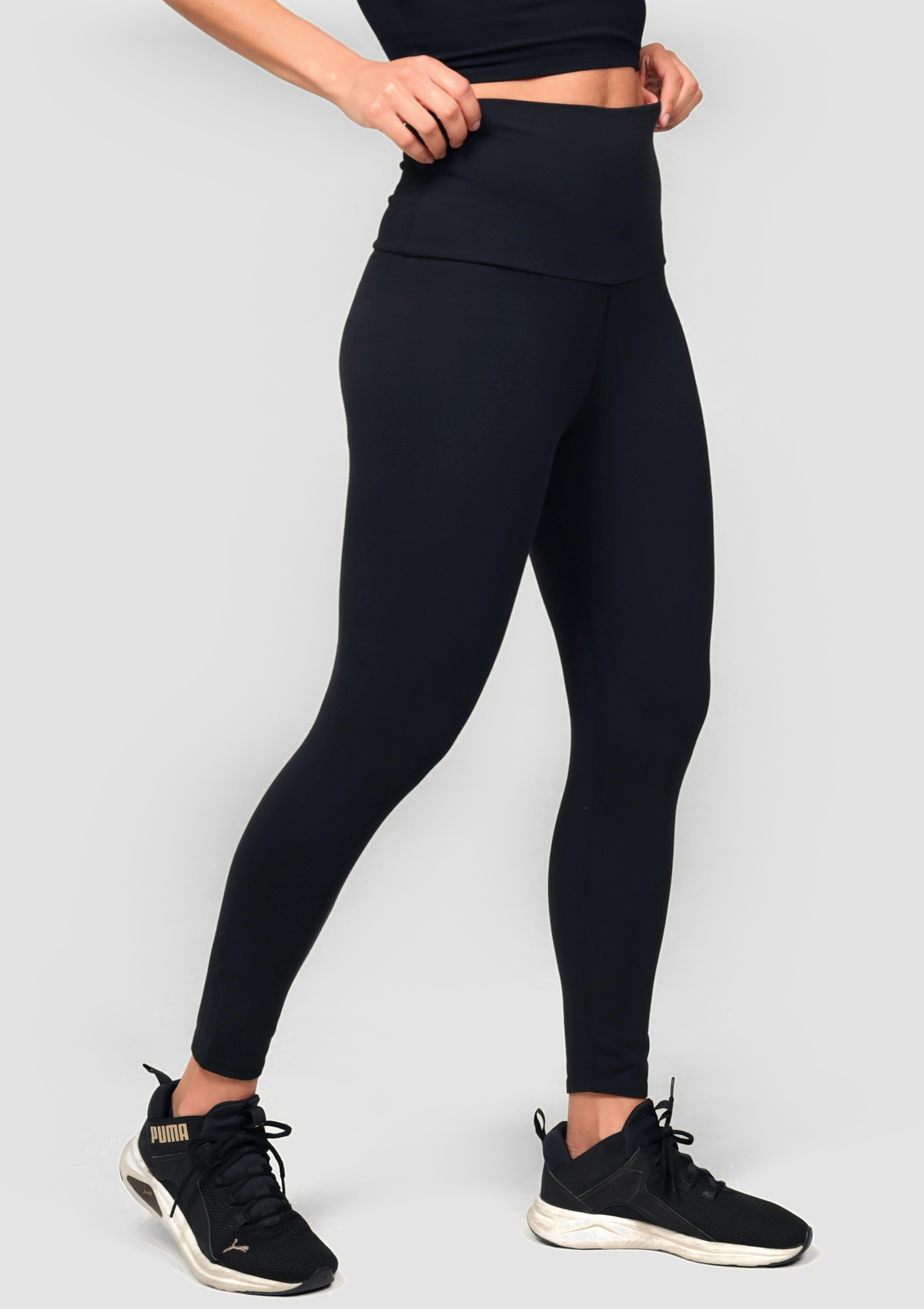
Our activewear labels read 92% organic cotton, 8% spandex, which is the PureFlex fabric. Our Pure line reads 100% organic cotton. The organic cotton is GOTS-certified at fabric level, which is a claim about the fabric rather than about PuraKai as a company, and we word it that way deliberately.
Our garments are knit, cut, sewn and dyed in Los Angeles, with design, cutting, sewing and finishing done in our own facility. The cotton is grown in Texas, Turkey and India, and we say so rather than letting a US origin label imply the fiber is American too. You can see the range in our organic cotton leggings and our women's organic cotton activewear.
Frequently Asked Questions
What does 95% cotton 5% spandex actually mean?
It means that by weight, the body fabric is 95% cotton and 5% spandex, with the fibers listed largest first. It does not describe the waistband, trim, lining or sewing thread, which can differ and are often synthetic. It also says nothing about how the cotton was grown or where the garment was sewn, which are separate statements elsewhere on the label.
Does "Made in USA" mean the cotton was grown in the USA?
No. For clothing cut and sewn from cloth, the origin analysis looks at the fabric rather than the raw fiber, so a garment can carry a US origin label with imported cotton. If fiber origin matters to you, ask the brand directly, because the label is not required to answer that question.
Can a garment labeled 100% cotton still contain plastic?
Yes, in small ways. Elastic used in a minor structural role can be excluded from the main fiber calculation, sewing thread is usually not counted and is frequently polyester, and trims may be listed separately or not at all. The label is accurate about the body fabric. It is not a guarantee that no synthetic material exists anywhere in the garment.

Leave a comment
This site is protected by hCaptcha and the hCaptcha Privacy Policy and Terms of Service apply.