

How Our Garments Are Dyed: Low-Impact Garment Dyeing in Los Angeles
Most concern about clothing dyes centers on specific substances, not color itself. One concern is the subset of azo dyes that can break down and release listed carcinogenic aromatic amines. Another is heavy metals such as lead, mercury, and cadmium in dye or pigment formulations. Dye selection, testing, and wastewater controls can reduce these risks. The phrase "non-toxic dye" alone does not explain what was excluded, tested, or regulated. The Federal Trade Commission says a non-toxic claim needs reliable scientific evidence of safety for people and the environment. Specific facts are more useful.
How Are Clothes Dyed?
Color can be added at several points in textile production. Fiber dyeing colors loose fiber before spinning. Yarn dyeing colors yarn before it becomes fabric. Piece dyeing colors a roll of knitted or woven fabric. Garment dyeing colors the completed, sewn garment.
In garment dyeing, prepared garments go into a batch machine with water, dyes, and the auxiliary chemicals needed for that recipe. Heat, time, pH, and movement are controlled so the dye moves from the bath into the fiber. The goods are then rinsed and washed to remove color that did not fix to the material. Cotton Incorporated's technical dyeing guide describes garment dyeing as a batch process commonly performed in rotary drum or paddle machines.
Brands choose this method for flexibility. A maker can cut and sew undyed goods, then assign colors later in smaller batches. It also avoids the colored cutting waste created when already dyed fabric is cut into pattern pieces. The trade-off is efficiency. Garment dyeing is generally slower and less productive than piece dyeing. Seams, thread, elastic, and fabric must also be compatible with the selected process.
Dye method does not identify fiber content. A garment-dyed item can still contain several fibers, and those fibers may respond differently to a dye bath. Check the label and read what the fiber percentage means before drawing conclusions from the color process.
What Are Azo Dyes?
Azo dyes are a broad family of synthetic colorants defined by an azo chemical bond. They are not one substance with one risk profile. The concern that drives textile restrictions is narrower: some azo dyes can undergo reductive cleavage and release particular aromatic amines. Several of those amines are classified for carcinogenic hazard. This is why "azo-free clothing" should be explained in terms of the restricted subset, not used to suggest that every azo dye presents the same risk.
The European Union provides a useful reference point. Entry 43 of Annex XVII to the EU's REACH regulation restricts azo dyes that can release any aromatic amine listed in Appendix 8 above 30 milligrams per kilogram. The rule applies to clothing and other textile or leather articles that may have direct and prolonged contact with skin or the mouth. The 30 mg/kg figure is a finished-article threshold under a defined test regime. It is not a claim that all material below that number has zero risk.
The United States does not use the same broad federal finished-textile restriction. Federal action has focused on particular chemicals and uses. For example, the US Environmental Protection Agency's benzidine dyes action plan addresses benzidine-based dyes in consumer products such as textiles. State rules can add other product requirements, so a brand selling nationally must track more than one regulatory layer.
For a shopper, the useful question is not simply, "Do you use dyes?" Ask whether the dye formulations exclude azo compounds that can release the restricted carcinogenic amines, and whether the supplier provides current documentation or testing.
Why Heavy Metals Come Up in Dye Discussions
Metals may be present because a metal is part of a colorant's chemistry, because a pigment or dye contains an impurity, or because another process input contributes trace amounts. Lead, mercury, and cadmium receive special attention because they are hazardous and can enter both finished materials and wastewater.
The Zero Discharge of Hazardous Chemicals manufacturing restricted substances list says arsenic, cadmium, lead, and mercury may be found in pigments and dyes. It tells facilities to seek formulations with no intentionally added amounts of those metals and to obtain supplier documents or test reports.
"Without added heavy metals" is an input claim. It means those metals are not intentionally included to create a color or function. It does not promise that laboratory instruments will find absolute zero. Raw materials and manufacturing environments can contribute trace background levels. A complete chemical policy therefore pairs a no-added rule with numerical limits and testing where appropriate.
Heavy-metal controls are also separate from PFAS controls. They concern different substances, uses, and test methods. The guide to PFAS in clothing explains that issue without treating all textile chemistry as one category.
Why Wastewater Is a Major Part of the Dye Story
Dyeing is a wet process. A dye bath may contain colorants, salts, alkali or acid, and other process aids. Rinsing and after-washing create additional water streams. Color that does not fix to the fiber leaves with the bath or rinse water. Better dye uptake can reduce that loss, but it does not remove the need for wastewater control.
The EPA's textile mill effluent rules identify dyeing and related finishing steps as wastewater-generating operations. Depending on the textile subcategory, regulated measures include biochemical oxygen demand, chemical oxygen demand, suspended solids, oil and grease, sulfide, phenols, total chromium, and pH. That list shows why a dye claim should cover the process, not only the ingredient label.
In the Los Angeles region, industrial discharge is not a private honor system. The Los Angeles County Sanitation Districts require industrial wastewater discharge permits in their service area. Their program reviews pretreatment, local limits, and federal standards. It also uses sampling, inspections, monitoring, and enforcement. Exact requirements depend on where a dye house discharges and which agency serves that location.
Location still matters. Knowing where dyeing happens lets a shopper identify the responsible regulator and ask whether the facility has a permit. A distant or undisclosed dye house makes direct oversight harder to evaluate.
How PuraKai Organic Cotton Garments Are Dyed
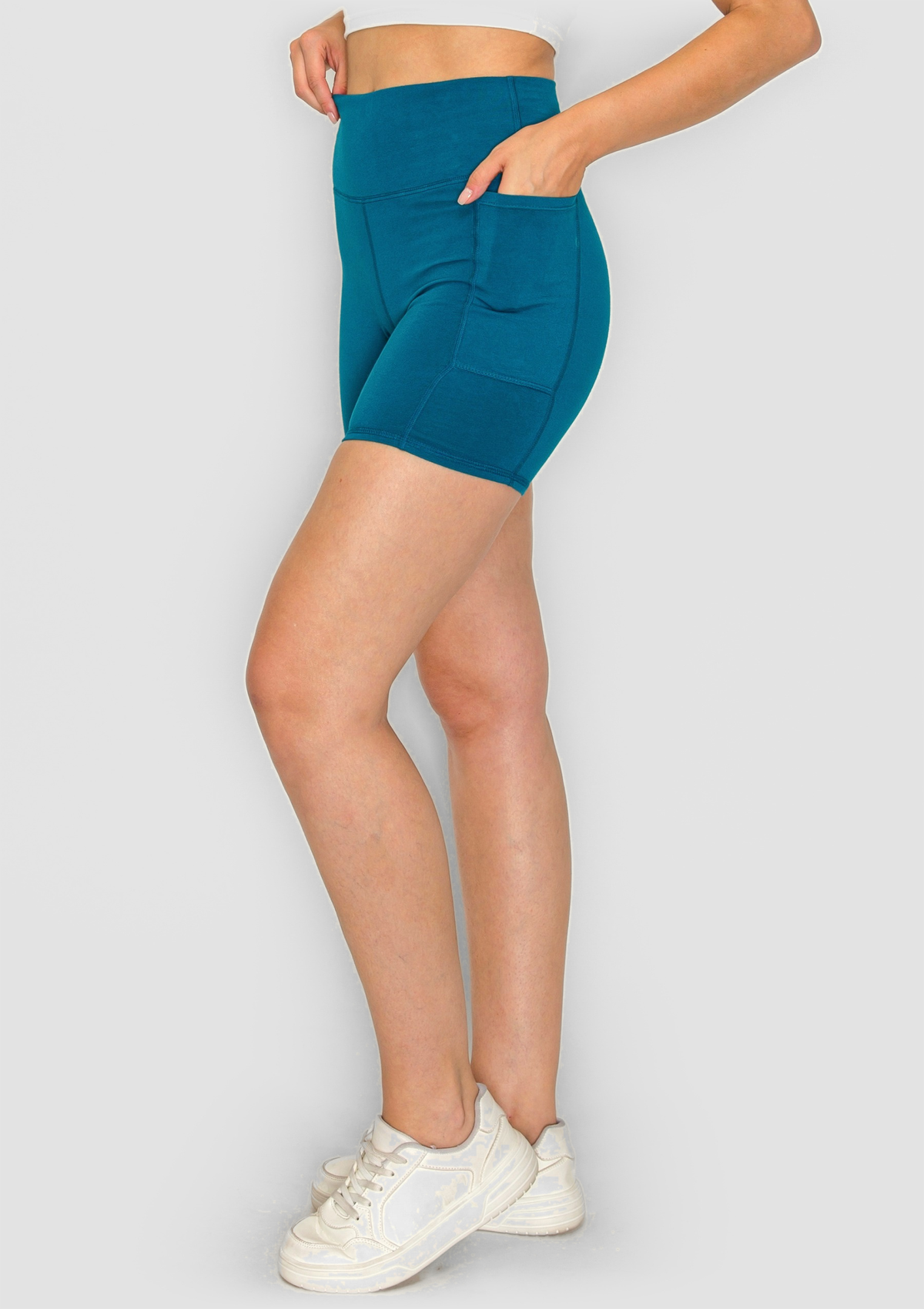
We garment-dye our organic cotton garments in Los Angeles. The garment is sewn first, then colored as a finished piece. We sew with cotton thread. Cotton Incorporated's garment-dyeing guidance explains that compatible cotton sewing thread dyes to nearly the same shade as the garment.
Our dye house uses low-impact dyes formulated without azo compounds that can release carcinogenic amines. The formulations contain no added heavy metals such as lead, mercury, and cadmium. They are biodegradable formulations selected to reduce water and energy use. Discharge from the dye house is monitored under California wastewater standards.
These are properties of the dye formulations and the Los Angeles process. They are not an absolute promise that a garment contains no chemicals or poses no possible risk. That is why we state what the formulations exclude and how the discharge is overseen instead of calling the dyes non-toxic.
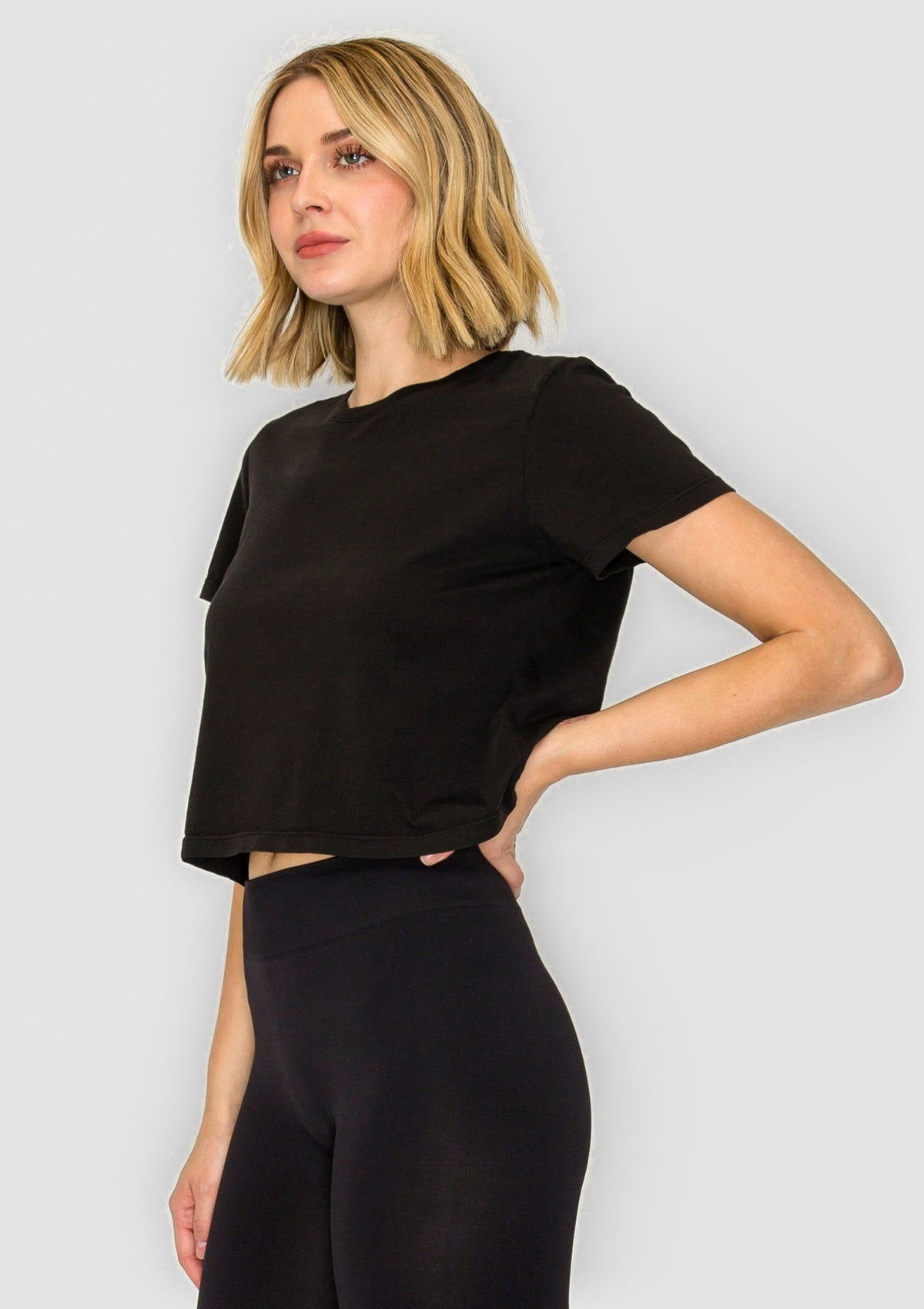
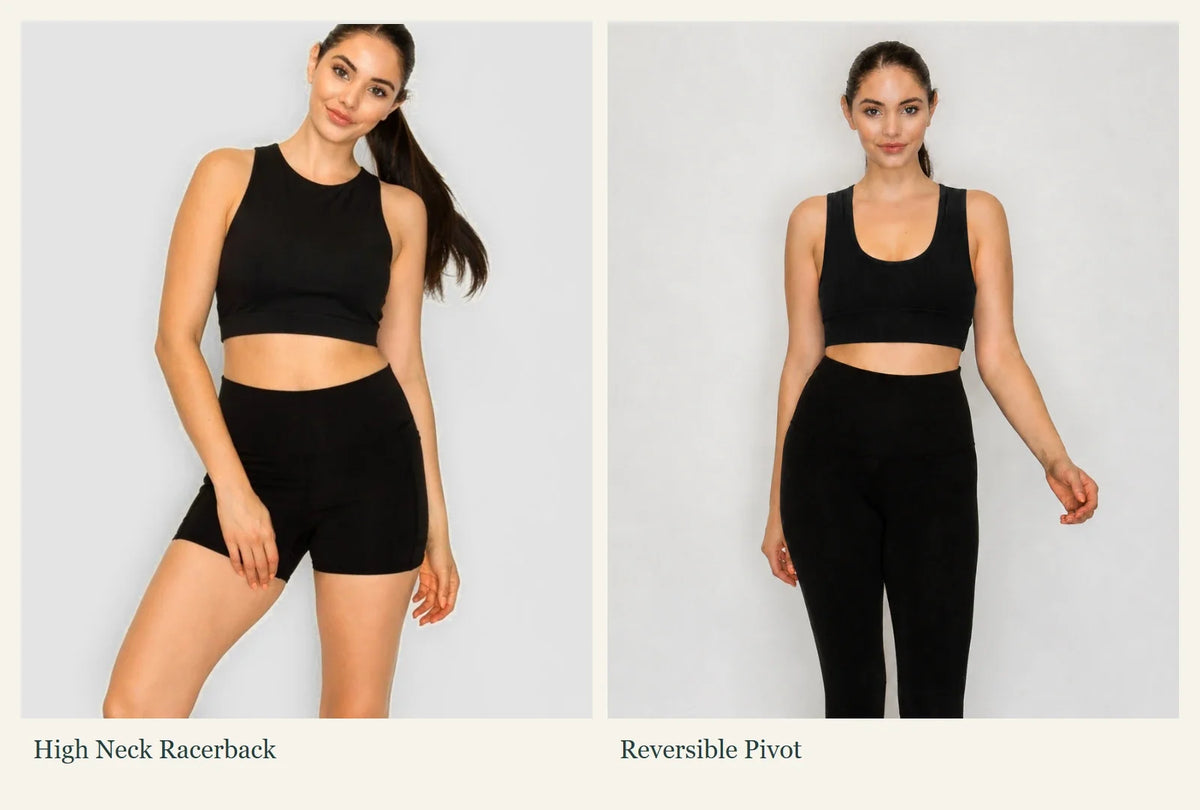
Our production chain is local and visible. Knitting and garment dyeing are handled by Los Angeles partners. Design, cutting, sewing, and finishing happen under one roof in our own Los Angeles building. The details of our Los Angeles production explain that division of work. Our PureFlex activewear fabric is 92% organic cotton and 8% spandex. Shoppers can see the fit and colors in our organic cotton leggings.
What to Ask Any Clothing Brand About Dyes
1. What type of dye is used for this fiber and color?
2. Does "azo-free" mean the formulation excludes azo compounds that can release the restricted aromatic amines?
3. Are lead, mercury, and cadmium intentionally added to any dye or pigment formulation?
4. Does the chemical supplier provide a current safety data sheet, restricted-substance document, or test report?
5. Where does dyeing happen, and which agency regulates the discharge?
6. Does the dye house hold an industrial wastewater permit, and is discharge sampled or monitored?
7. Is a broad phrase such as "clean," "eco-friendly," or "non-toxic" backed by specific exclusions and evidence?
The same habit helps with other material claims. Start with a defined term, then ask for scope, location, documentation, and a measurable result. The guide to clothing materials and lower-tox choices uses that evidence-first approach.
Frequently Asked Questions
Are clothing dyes dangerous to wear?
Not as a general rule. Risk depends on the dye chemistry, residual amount, colorfastness, route and duration of exposure, and the person. Certain restricted aromatic amines are a documented concern. Patch-test research has linked some disperse dyes to allergic contact dermatitis in sensitized people. Those facts do not mean every colored garment is dangerous. If a garment causes a persistent rash, stop wearing it and seek medical advice. For purchasing, look for specific dye policies and evidence instead of fear-based claims.
What does azo-free mean?
In careful textile language, azo-free means the dye formulation is made without azo compounds that can cleave into the restricted carcinogenic aromatic amines. The term should point to a defined supplier standard, regulation, or test method. It should not be stretched into a promise that the full garment is free of every substance a shopper might want to avoid.
Do natural dyes mean safer clothes?
No. Natural origin does not automatically establish safety, lower environmental impact, or colorfastness. Some natural dyes need mordants to bond well with fiber, and the choice of mordant changes both performance and wastewater. Experimental research on naturally dyed cotton fabric found that metallic mordants improved several fastness measures while leaving metals to be assessed in the bath, wastewater, and fabric. Judge a natural dye by its full recipe, process, discharge controls, and test results.

Leave a comment
This site is protected by hCaptcha and the hCaptcha Privacy Policy and Terms of Service apply.